

Retail businesses and supply chain groups are closely watching tax discussions in the United States as lawmakers review how recent tax cuts have affected workers, household income and business activity.
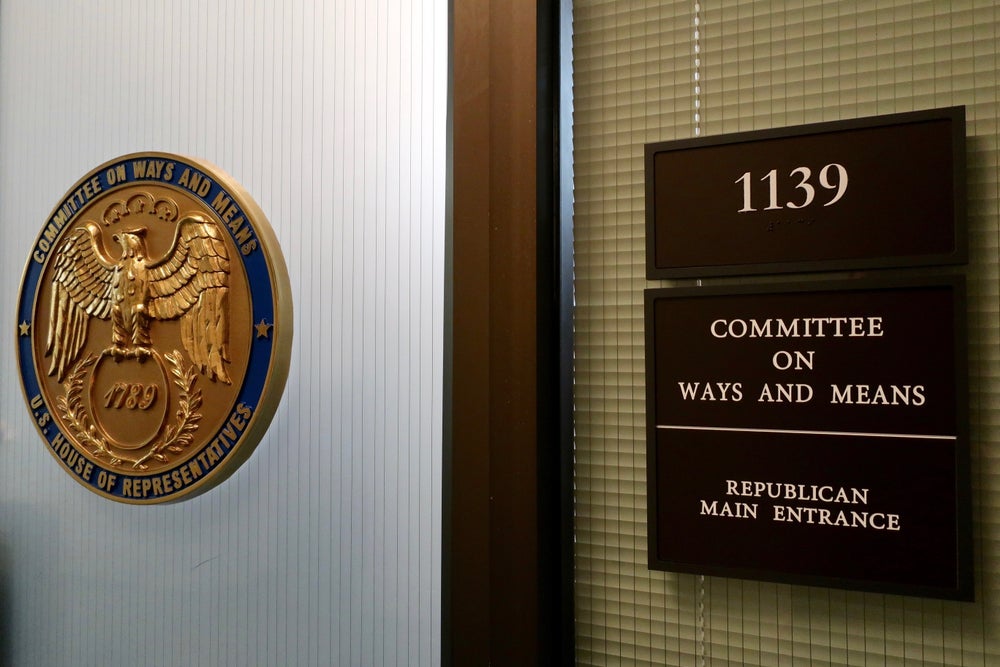
The debate was raised during a hearing by the House Ways and Means Committee Tax Subcommittee, which examined whether current tax policies are supporting economic growth and improving take-home pay for American workers.
The issue is significant for the global retail sector because the US is one of the largest consumer markets in the world. Changes in tax policy can influence spending patterns, import demand and investment decisions across international supply chains.
The National Retail Federation (NRF) told lawmakers that retailers need stable and predictable tax rules to plan long-term investment. It said uncertainty in tax policy could affect decisions on hiring, store expansion and technology spending.
Retailers also highlighted ongoing cost pressures, including inflation, wages and logistics expenses, arguing that tax stability supports business resilience during uncertain economic conditions.
Consumer impact
Lawmakers supporting the current tax framework said recent changes have improved household finances in some cases, pointing to higher tax refunds and stronger take-home pay for certain workers.
The committee discussion also focused on how tax policy affects consumer spending, particularly in areas such as overtime pay, tips and retirement income.
Retail groups argue that consumer confidence is a key driver of sales, particularly in discretionary categories like clothing, electronics and home products. When household incomes rise, retail demand tends to strengthen.
However, the debate remains divided. Critics of broad tax cuts have raised concerns about government borrowing levels and whether benefits are evenly distributed across income groups.
Global retail implications
For international retailers, the outcome of US tax policy discussions could have wider effects beyond the American market.
Stronger or weaker US consumer demand can influence global sourcing strategies, shipping volumes and inventory planning. Companies with exposure to US retail sales often adjust logistics and procurement decisions based on expected demand trends.
Industry analysts say tax incentives that support business investment may also encourage spending on automation, distribution centres and digital infrastructure.
The NRF estimates that the retail sector contributes trillions of dollars to US GDP and supports tens of millions of jobs, underlining its importance in both domestic and global economic activity.