
Amazon Business has extended same-day delivery to cover fresh and perishable groceries for commercial customers across more than 2,300 locations in the US.
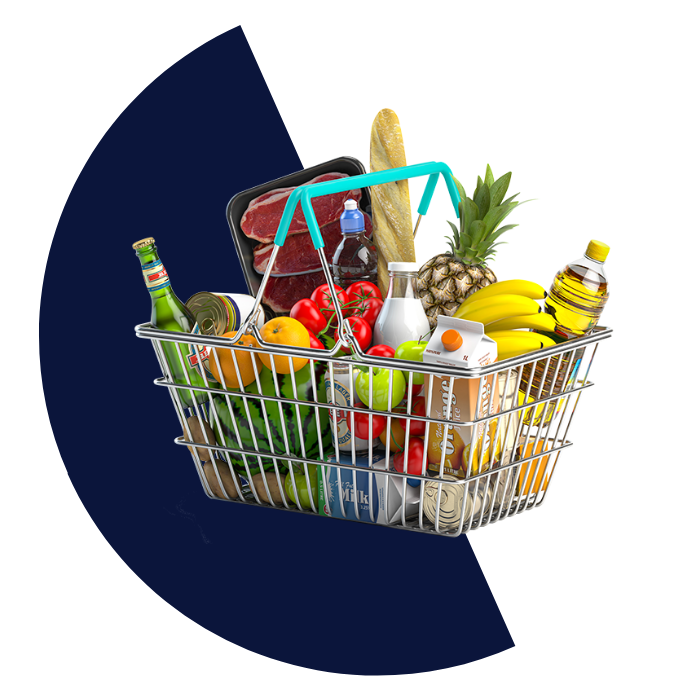
The expansion brings thousands of temperature-sensitive products, spanning fresh produce, dairy, meat, seafood, baked goods and frozen foods, into the same ordering environment as the office supplies and breakroom essentials already carried by the platform.
Fulfilment runs through Amazon's temperature-controlled logistics infrastructure, with delivery timed to customer-specified windows to accommodate business operating hours.
Business Prime members qualify for free same-day delivery on grocery orders above $25 in most covered areas, with a paid same-day option available for smaller baskets.
Amazon Business, which counts more than eight million organisations among its global customer base, said the move addresses demand from buyers seeking to consolidate procurement of fresh food with other workplace supplies through a single channel.
The company said it intends to further broaden coverage this year.
Amazon Business vice-president Shelley Salomon said: “Our customers have been asking for an easier way to order fresh groceries alongside the everyday business essentials they rely on to run their operations.
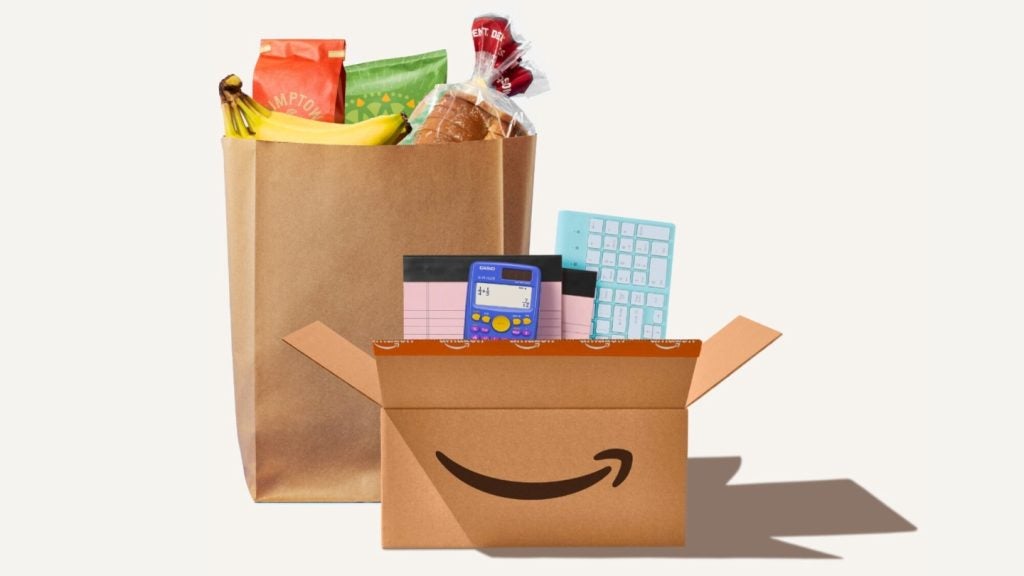
“Organisations can now combine items like copy paper and printer ink with milk, fruit, and other breakroom staples – check out with a single cart, and have everything delivered to their workplace within hours.”
The announcement follows Amazon's expansion last month of its Amazon Now rapid delivery service into the US and Europe, drawing on experience from earlier rollouts in India and the UAE.
The service targets the delivery of thousands of items within 20 minutes through a network of micro-fulfilment centres.
Separately, the company is facing legal action in California alleging that it coordinated with suppliers and rival retailers to inflate product prices rather than compete on lower pricing.
The court filing claims Amazon pressured suppliers to raise prices on competing platforms or withdraw products from those sites altogether.
Originally filed in 2022, the case alleges that the e-commerce company's conduct constrained competition and contributed to higher prices for consumers across the state.