

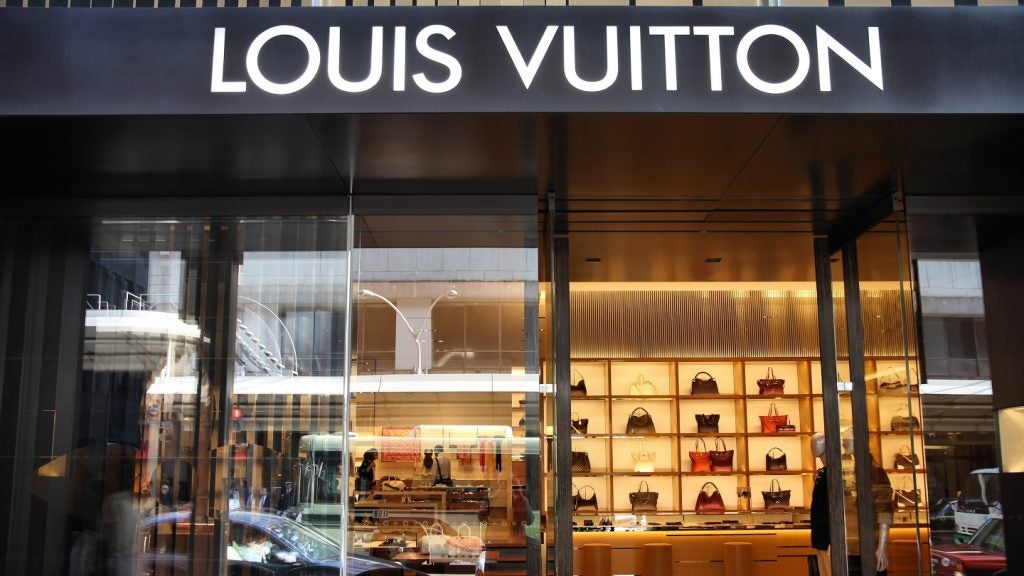
LVMH recorded revenue of €19.12bn ($22.4bn) in the first quarter of 2026, delivering 1% “organic growth” despite disruption linked to the conflict in the Middle East.
The group said reported revenue fell 6% year-on-year from €20.31bn.
However, organic growth remained positive, supported by “strong” trading in Asia (excluding Japan) and steady demand across Europe and Japan.
The US “experienced a good start to the year” while the Middle East saw reduced organic growth by around one percentage point last month as a result of the regional conflict.
Across divisions, wines and spirits delivered 5% organic growth, aided by champagne sales in Europe and a favourable Chinese New Year timing effect for cognac.
Fashion and leather goods declined 2% on an organic basis, reflecting the impact of geopolitical disruption.
Perfumes and cosmetics recorded flat organic performance while watches and jewellery rose 7%, driven by brands, including Tiffany & Co. and Bvlgari.
Selective retailing increased 4%, supported by continued expansion at Sephora.
Fashion and leather goods generated €9.24bn in revenue, compared with €10.10bn a year earlier.
Wines and spirits contributed €1.27bn, perfumes and cosmetics €2.04bn, watches and jewellery €2.44bn, and selective retailing €4.05bn.
Within watches and jewellery, Tiffany broadened its product offering and retail footprint while Bvlgari introduced new high jewellery collections.
In selective retailing, Sephora continued to expand internationally, including in the UK.
During the quarter, LVMH's DFS entered agreements with China Tourism Group Duty Free to divest its Greater China operations and with Duty Free Americas to sell its US airport concessions.
LVMH said it remains “vigilant yet confident” in a geopolitical and economic environment disrupted by the conflict in the Middle East, and will continue to prioritise innovation, investment and brand development throughout this year.
In its statement, the company said: “The group remains focused on the development of its brands, driven by a sustained policy of innovation and investment, as well as by a constant quest for quality in its designs, their desirability and their selective distribution.”