
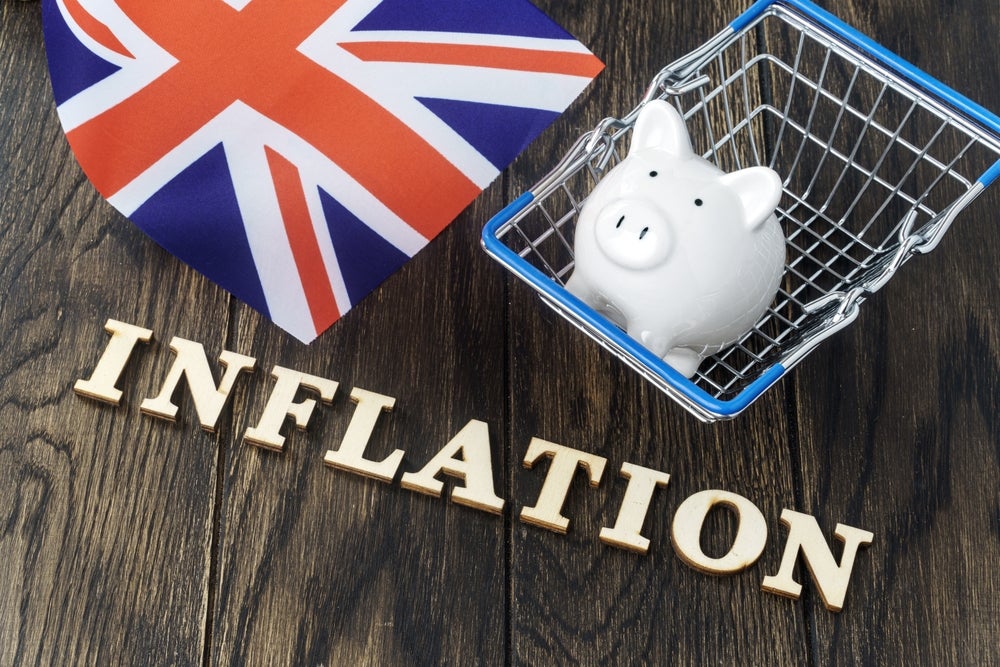
UK retail price inflation surprised the market in January, rising faster than expected as cost pressures continued to filter through into shop prices, according to the latest British Retail Consortium (BRC) data.
The unexpected uplift in UK inflation comes amid persistent elevated costs for food and other goods, posing fresh challenges for retail businesses already navigating tight margins and cautious consumer demand.
Shop price inflation accelerates in January
The BRC’s Shop Price Monitor found that shop price inflation climbed to 1.5% year-on-year in January, up from 0.7% in December and above the three-month average of 0.9%.
The increase in overall prices was driven in large part by a jump in food inflation, which reached 3.9%, compared with 3.3% in December. Within that category, fresh food inflation accelerated to 4.4%, while ambient food prices rose 3.1%.
Non-food inflation moved back into positive territory at 0.3%, reversing a decline recorded at the end of 2025.
Helen Dickinson, Chief Executive of the BRC, said the figures “defy expectations that inflation had peaked” and highlighted continued cost pressures feeding into retail prices.
Business energy costs and the ongoing impact of the National Insurance hike were cited as key factors contributing to the price rises, particularly in categories such as meat, fish and fruit.
Cost pressures weigh on retail margins
The latest inflation data underlines how external cost pressures are affecting retail pricing decisions. With energy costs remaining high and employer contributions rising, many retailers face increased operating expenses. Dickinson noted that while retailers compete hard to keep prices down, thin profit margins make managing these costs difficult, especially in a competitive market.
Industry data also show that non-food categories such as furniture, flooring and health & beauty products contributed to the inflation uptick, reversing earlier trends of deflation in some areas.
Observers note that rising shop price inflation in non-food segments could signal broader price pressures across the retail sector.
Consumer behaviour and retail outlook
Retail analysts warn that higher prices may influence consumer spending trends, particularly as households tighten budgets early in the year following the holiday season.
Mike Watkins, Head of Retailer and Business Insight at NIQ, said that caution among shoppers is likely to persist. He added that while some non-food retailers are maintaining promotions and food retailers are reducing prices on everyday items where possible, the continuation of inflation could dampen demand further.
The unexpected rise in UK shop price inflation follows data showing broader inflation trends in the economy remaining above target.
Market watchers will be closely tracking how these retail price pressures interact with consumer confidence and spending patterns in the coming months.
Top of Form
Bottom of Form