
UK shop price inflation edged higher in March 2026, with early signs that global supply chain pressures could push prices up in the coming months.
Data from the British Retail Consortium (BRC) and NielsenIQ show shop price inflation rose to 1.2% year on year, up from 1.1% in February, though still below the three-month average of 1.3%.
The increase reflects a shift after several months of easing inflation, as retailers begin to face higher input costs linked to geopolitical tensions and energy markets.
Food inflation eases but remains elevated
Food price inflation, a key driver of overall retail inflation, slowed slightly to 3.4% in March from 3.5% in February.
Lower dairy prices contributed to the decline. The BRC noted that falling wholesale milk costs helped ease pressure on some categories.
Fresh food inflation, however, remained higher at 4.4%, while ambient food inflation dropped to 2.0%.
Helen Dickinson, chief executive of the BRC, said: “Shop price inflation edged up in March, despite food inflation easing.” She added that retailers had used promotions “to entice consumers to spend”, particularly in categories such as alcohol, clothing and electronics.
This reflects continued price sensitivity among consumers, with many households closely monitoring grocery spending.
Non-food prices return to growth
Non-food inflation moved back into positive territory, rising to 0.1% year on year after a 0.1% decline in February.
Retailers maintained discounting strategies across discretionary categories, including clothing and electrical goods, to support demand.
Promotional activity around seasonal events, including the Six Nations, helped stimulate short-term sales. However, underlying demand remains uncertain.
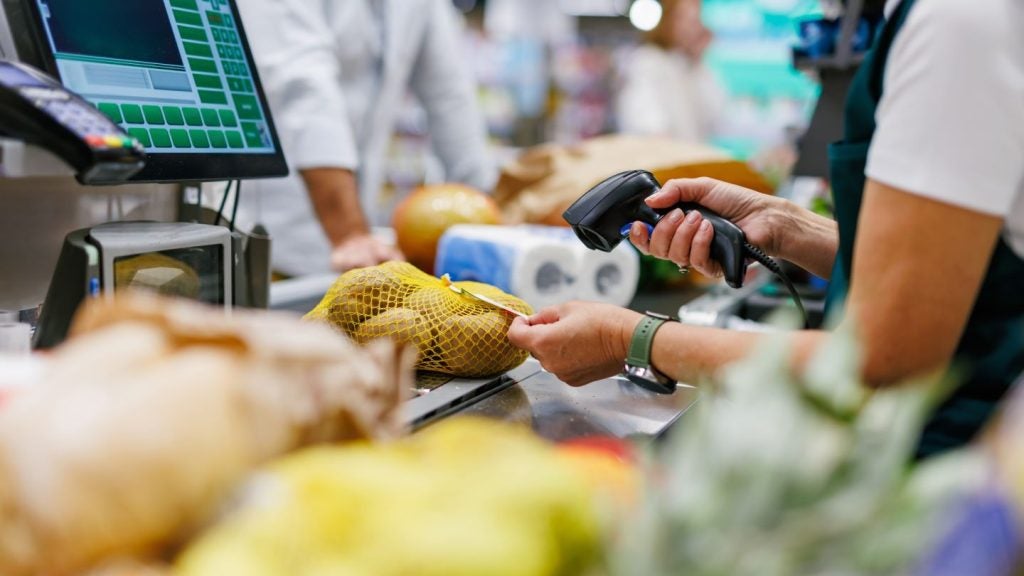
Mike Watkins, head of retailer and business insight at NielsenIQ, said shoppers are “increasingly conscious” of spending at the checkout. He warned that further cost increases “have the potential to take the edge off retail growth”.
Recent data also shows weakening consumer confidence, reflecting broader economic concerns and cost-of-living pressures.
Supply chain costs signal future inflation
Despite relatively subdued current levels, retailers warn that upward pressure on prices is building.
“Higher costs resulting from the conflict in the Middle East are starting to feed into supply chains,” Dickinson said.
Rising energy prices and disrupted trade routes are increasing costs for goods, fertilisers and transport.
The BRC expects inflation to rise further in 2026, though not to the peaks seen in April 2023. Dickinson noted there are “no indications it will reach” previous highs, but warned that policy and regulatory costs could add pressure.
Industry concerns include labour costs, trade changes with Europe, and additional regulatory requirements. Retailers argue that cumulative cost increases could eventually be passed on to consumers if margins tighten further.
For now, UK shop price inflation remains relatively contained. However, the combination of geopolitical risk, energy costs and policy changes suggests a more volatile pricing environment ahead for the retail sector.