

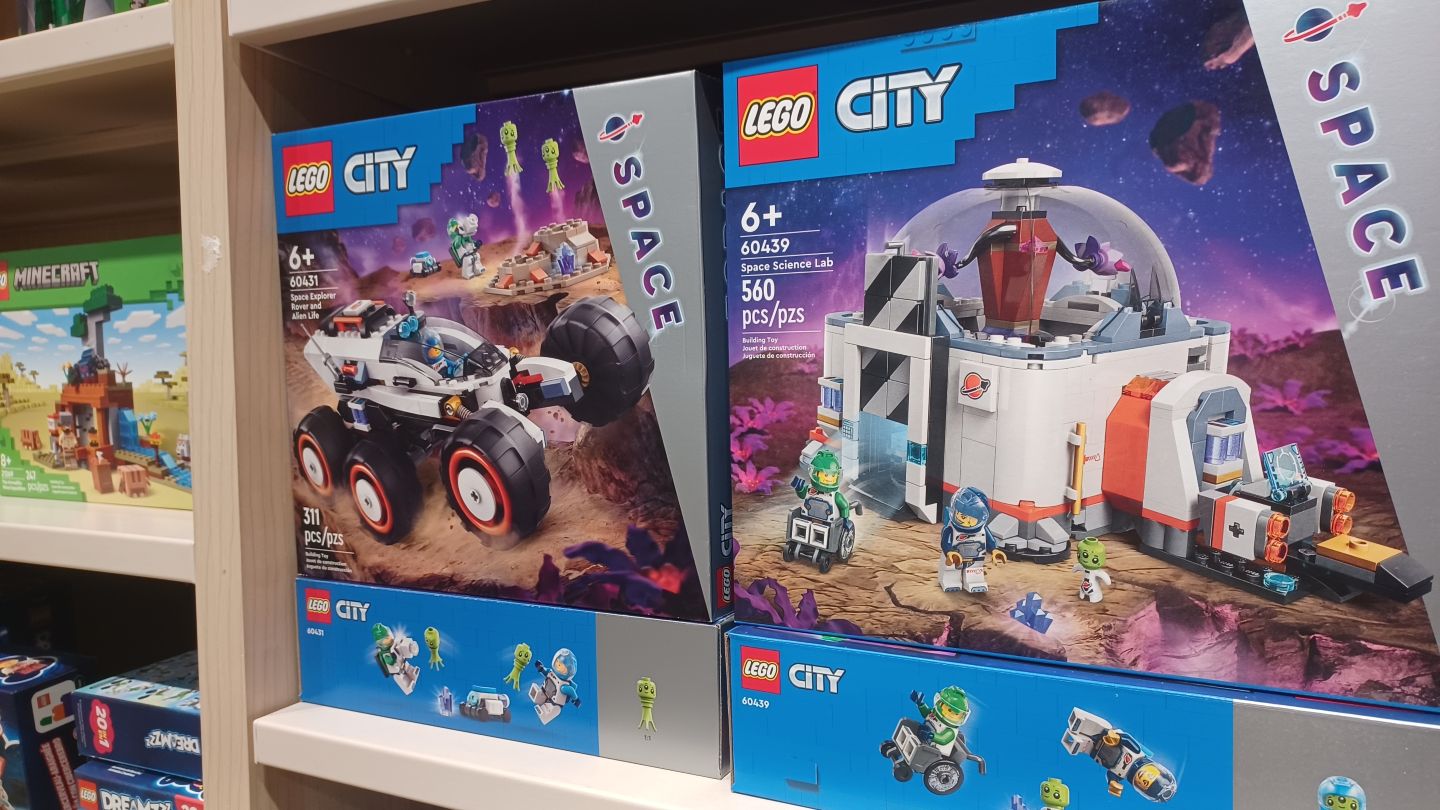
Collectable toys will drive UK toys & games growth in 2026, but rising second-hand activity is increasingly diverting adult collector spend toward older and hard-to-find items. Retailers must win adult collectors by strengthening licensed ranges and building hype through social media around limited-edition launches. Missing key release moments will divert demand towards competitors and resale platforms as demand peaks at launch, and availability dictates where spend lands.
We forecast that the action figures will deliver the strongest growth between 2024 and 2029, with a CAGR of 1.8%, supported by franchise momentum and nostalgia in brands such as Marvel and Star Wars, reinforced by film and television releases. Soft toys have emerged as the second-best-performing category, with a CAGR of 1.3%. The market for displayable plush toys has become more stable, appealing to both children and adults. Social media platforms accelerate demand for these categories through unboxing culture and creator-led discovery, as seen in Pop Mart’s ‘Labubu’ surge in 2025 and the continued cultural traction of Jellycats among young adults. While individual crazes can slow, the underlying collectable behaviour will endure as adult participation rises. To foster growth, retailers should synchronise their action figures and inventory with key franchise event moments, such as film releases. Additionally, they should employ controlled scarcity through limited and exclusive launches to maintain excitement and enhance perceived collectability, all while effectively capturing ongoing demand.

Access deeper industry intelligence
Experience unmatched clarity with a single platform that combines unique data, AI, and human expertise.
While first-hand growth will remain strongest in action figures and soft toys, these categories face the sharpest substitution risk from second-hand. Collectors readily switch from new to secondhand when the availability or pricing of new products misaligns with consumers’ perceived value. We expect the UK second-hand toys & games market to grow by 6.5% in 2026, outpacing the total market performance to reach £658m (accounting for 14.4% of the combined first and second-hand toys & games market in 2026). Collectors increasingly trade in retired LEGO sets, discontinued action figure lines and sought-after plush variants rather than buying new ranges at full price, diluting demand once hype fades and resale prices normalise. Retailers should defend first-hand sales by offering value beyond price, including durability, authenticity and personalisation options. By differentiating newness through retailer exclusives and timed launches that secondhand cannot replicate, retailers can maximise growth.
