
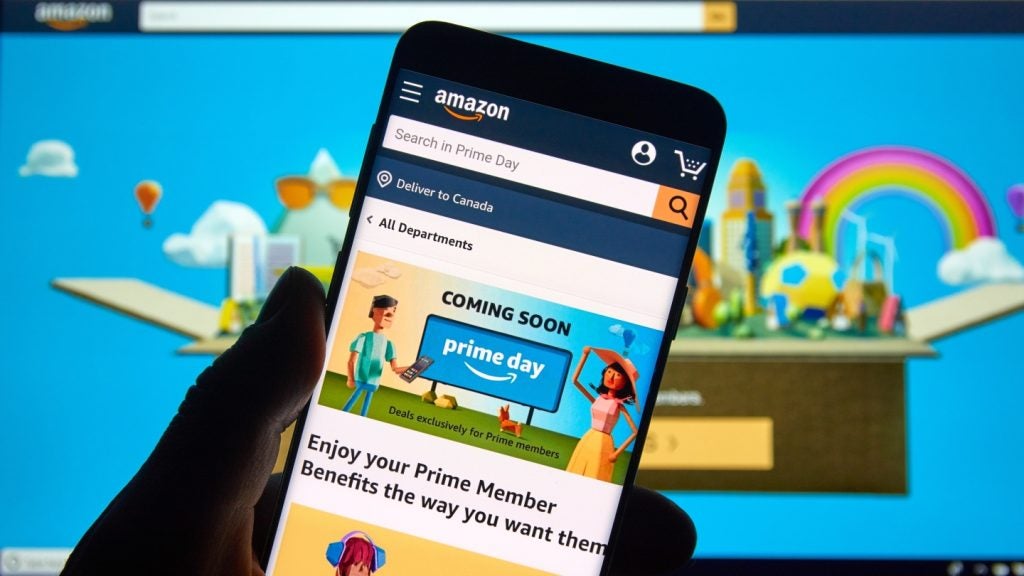
US retail giant Amazon will hold its annual Prime Day shopping event in late June, moving it up from its usual July slot, reported Bloomberg, citing sources.
The shift in timing is likely to have consequences for both Amazon and its network of third-party sellers, who often rely on the event’s surge in customer activity.
Prime Day has grown in significance since its introduction in 2015, drawing attention from competitors and consumers alike.
Amazon’s share of US online retail spending stands at approximately 40%, making the scheduling of Prime Day influential across the sector.
Rival retailers such as Walmart and Target typically align their own discount events with the sale, the news publication noted.
Last year’s Prime Day spanned four days rather than the previous two, giving shoppers more opportunity to browse deals but reducing the sense of urgency.
This year’s move means sales generated by the event will be recorded in Amazon’s second-quarter results instead of the third quarter, according to the report.
Prime Day is viewed as an indicator of consumer confidence, particularly during uncertain economic periods.
The report added that while consumer spending has held steady despite tariffs and a mixed employment picture, ongoing instability in the Middle East may affect shopper behaviour.
The period also coincides with tax-refund season, which can boost household spending.
Retail Insight Network has reached out to Amazon for comment.
In September 2025, Amazon agreed to pay $2.5bn in a settlement with the US Federal Trade Commission (FTC) over claims that it enrolled people in Prime subscriptions without adequate consent and made it difficult for customers to cancel.
The FTC pointed to several issues with how customers were signed up, including options presented at checkout and during video streaming sign-ups.