

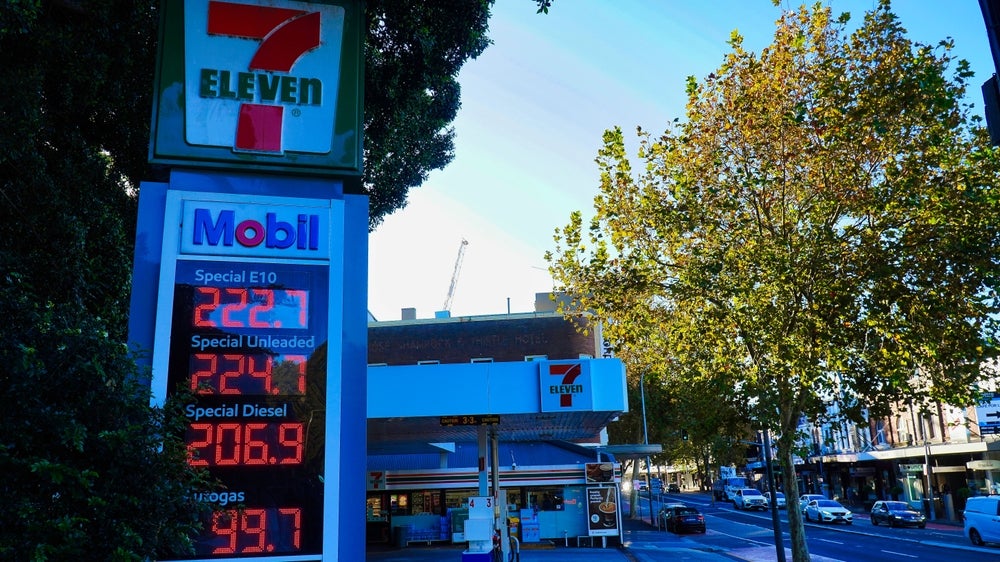
Australia’s competition regulator has said it is closely monitoring petrol prices as global oil markets react to ongoing tensions in the Middle East, raising concerns for fuel retail and supply chains.
The Australian Competition and Consumer Commission (ACCC) confirmed it is tracking wholesale and retail fuel price movements to assess whether changes reflect underlying costs. The update comes as crude oil prices remain volatile, affecting petrol prices and retail fuel margins.
For fuel retailers and convenience operators, the situation highlights continued pressure on pricing, supply costs and consumer demand.
Fuel price volatility
Global oil price movements are driving changes in petrol prices across Australia. Tensions in the Middle East have added uncertainty to supply expectations, pushing up benchmark crude prices and, in turn, wholesale fuel costs.
Retail petrol prices typically follow international trends with a delay. The ACCC noted that fluctuations in global markets can lead to short-term price increases at the pump, particularly in metropolitan areas where pricing cycles are more pronounced.
For retailers, this creates challenges in managing pricing strategies while remaining competitive. Sudden shifts in wholesale costs can affect margins, especially for smaller operators.
Retail scrutiny increases
The ACCC has said it is watching the petrol market closely to ensure pricing behaviour remains fair and transparent. The regulator routinely monitors fuel prices and margins, but periods of global instability often lead to increased scrutiny.
Retailers may face questions if price rises appear out of step with wholesale cost changes. The ACCC uses data from across the supply chain to assess whether consumers are being charged appropriately.
This level of oversight is relevant for both independent fuel retailers and large networks. Clear pricing practices and accurate cost tracking are important in demonstrating compliance.
Impact on retail operations
Rising petrol prices can influence consumer behaviour, with drivers often adjusting when and where they buy fuel. This can affect footfall at service stations and linked retail outlets such as convenience stores.
Fuel retail operators may also see shifts in demand between premium and standard fuels as consumers look to manage costs. In periods of high prices, non-fuel retail sales can become more important to overall revenue.
The ACCC’s update signals that fuel pricing will remain under close review while global conditions remain uncertain. For retailers, staying informed on oil market trends and regulatory expectations is key to managing risk in a volatile pricing environment.