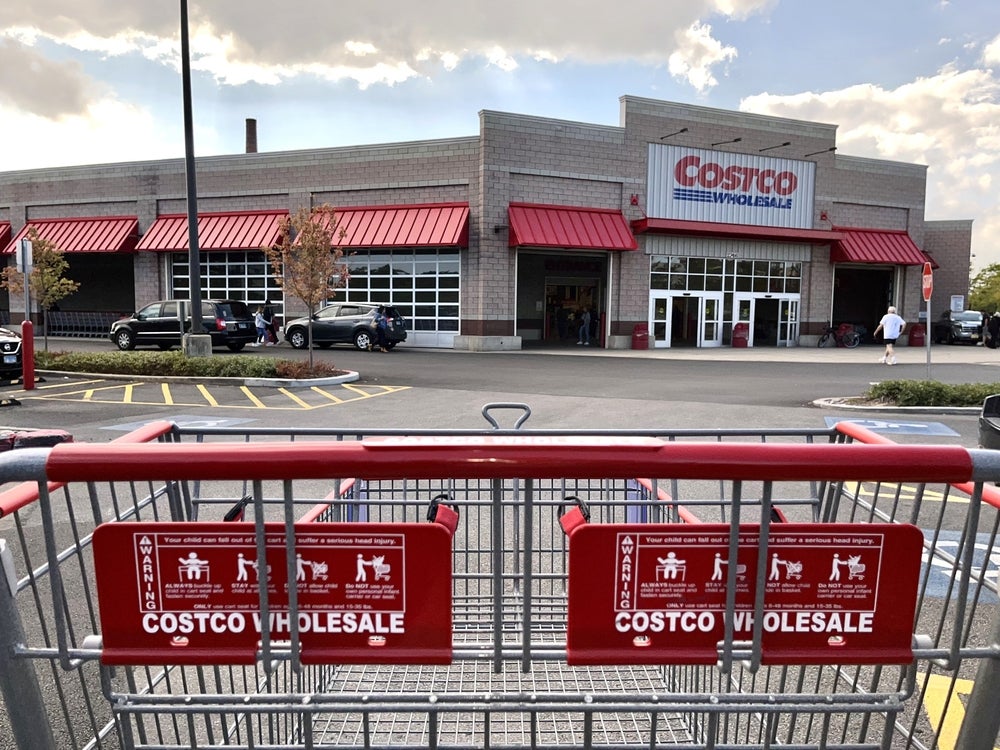
The US retail giant Costco Wholesale Corporation has filed a lawsuit against the Donald Trump Administration, seeking to pause tariff collections and recover import duties paid under recent global import taxes.
The action adds momentum to a wave of legal challenges triggered by sweeping tariff policies introduced in 2025.
The outcome could reshape trade compliance and refund rights for large import-dependent retailers worldwide.
Why Costco is suing: tariffs, legality and refund concerns
In November 2025 Costco submitted a complaint to the United States Court of International Trade, calling for an injunction to halt further tariff collections until the constitutionality of the tariff regime is resolved.
The company argues that the global tariffs — imposed under the International Emergency Economic Powers Act (IEEPA) — exceed presidential authority.
By invoking emergency powers intended for narrow national security measures, rather than broad import taxes, the administration’s action is being challenged as unlawful.
Costco did not disclose how much it has already paid in duties, but it warned that, even if the tariffs are overturned, there is no guarantee the company will recoup full refunds.
The company emphasised the urgency of suspending further duties before routine import “liquidation” processes finalise tariff obligations.
Broader context: sweeping tariffs and industry impact
The tariffs originate from executive orders issued in early 2025, under what has become known as the “global tariff regime.” The policy significantly raised import taxes on goods from a wide range of countries. Proponents argue these steps aim to address trade imbalances and support domestic manufacturing.
Retailers and import-heavy companies have expressed concern about supply-chain disruption, increased costs, and unpredictability. For businesses like Costco, which rely heavily on imported goods from China, Canada and Mexico, the financial risks are particularly acute.
Roughly a third of the company’s U.S. sales depend on imports.
Other major firms joining the wave of legal challenges include Kawasaki Motors, EssilorLuxottica (parent of Ray-Ban), Revlon, Yokohama Tire Corporation and smaller importers — all seeking to preserve their right to refunds if the tariffs are struck down.
What happens next: legal uncertainty and supply-chain watch
The fate of Costco’s claim hinges on a decision by the Supreme Court of the United States, which is currently evaluating whether the executive branch overstepped its authority under IEEPA when imposing universal tariffs.
During oral arguments, several justices expressed scepticism about granting such broad powers without explicit congressional authorisation.
If the Court rules in favour of challengers, the government may be forced to refund potentially billions in duties. That scenario could trigger a complex process for companies to reclaim payments, and may reshape how trade policies are implemented in future.
Retailers and supply-chain stakeholders are already moving to adjust sourcing strategies, diversify supplier bases, or shift to more domestic production to reduce exposure.
For global stakeholders in retail and logistics, the case deserves close monitoring — the ultimate ruling may redefine how tariff risk, refund rights and import-dependent business strategies are managed going forward.
Navigate the shifting tariff landscape with real-time data and market-leading analysis. Request a free demo for GlobalData’s Strategic Intelligence here.