

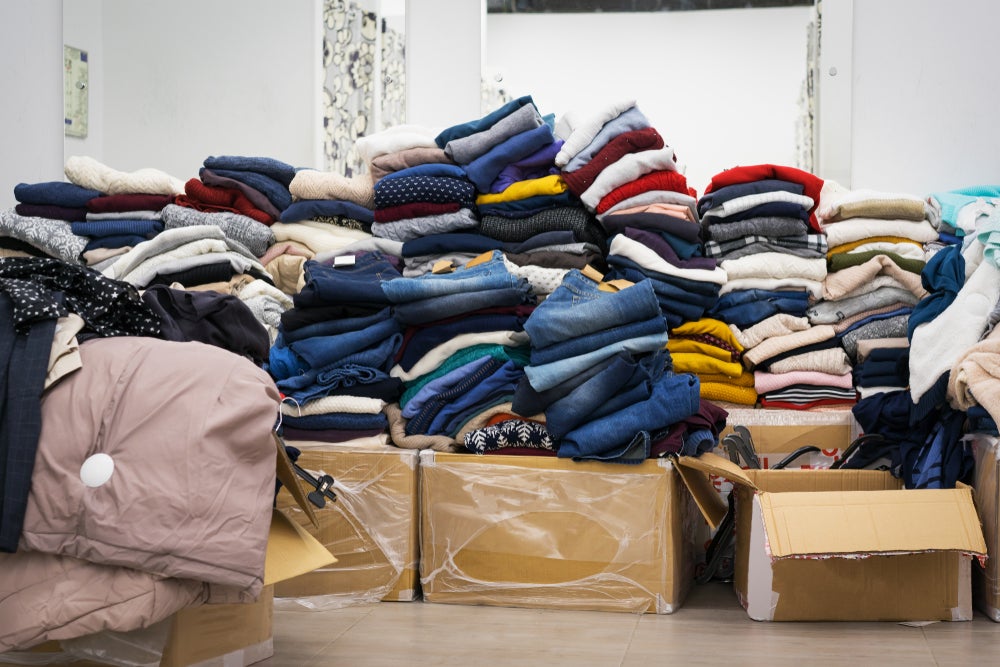
The European Union will ban the destruction of unsold clothes and shoes from 19 July 2026, marking a major shift in how retailers and brands manage excess stock.
The new rules form part of the Ecodesign for Sustainable Products Regulation (ESPR), a wider framework aimed at reducing waste and improving sustainability across the EU single market.
The ban applies first to large companies, with small and medium-sized enterprises given more time to comply. The move targets a long-standing industry practice where unsold textiles are discarded to protect brand value or manage surplus inventory.
Scope and timeline
Under the EU’s new rules on unsold textiles, large companies must stop destroying unsold clothing, clothing accessories and footwear from July 2026. Medium-sized companies will follow in 2030, while smaller firms are exempt.
The regulation sits within the ESPR, which came into force in 2024. It introduces stricter requirements on product sustainability, including durability, reuse and waste reduction.
The European Commission said the aim is to “prevent the destruction of unsold consumer products” and reduce the environmental impact of the retail and fashion sectors.
Companies will also be required to disclose information on the volume of unsold goods they discard and the reasons for doing so during the transition period. This reporting obligation is expected to increase transparency across supply chains.
Impact on retail operations
The EU ban on unsold clothing destruction is likely to reshape inventory management across the retail sector. Businesses will need to find alternatives to disposal, including resale, donation, recycling or redesign.
For fashion retailers, the change could affect pricing strategies, stock planning and end-of-season clearance practices. The regulation may also accelerate investment in circular business models, such as recommerce and textile recycling.
Legal analysts note that the rules are designed to push companies towards “more sustainable handling of unsold goods”. They also highlight that the ban reflects growing regulatory pressure on environmental, social and governance (ESG) performance in global retail.
Wider sustainability push
The ban on destroying unsold clothes and shoes forms part of a broader EU strategy to tackle textile waste. The Commission has identified the fashion sector as a key source of environmental impact, citing high levels of resource use and waste generation.
By introducing product design requirements and restrictions on disposal, the EU aims to extend product lifecycles and reduce landfill use. The rules align with wider circular economy goals, including boosting reuse and recycling rates across member states.
The regulation also sends a signal beyond Europe. Global brands operating in the EU market will need to comply, which may drive changes in supply chains and stock management practices worldwide.
As the July 2026 deadline approaches, retailers are expected to review their operations and adapt to a system where unsold stock can no longer be treated as waste.