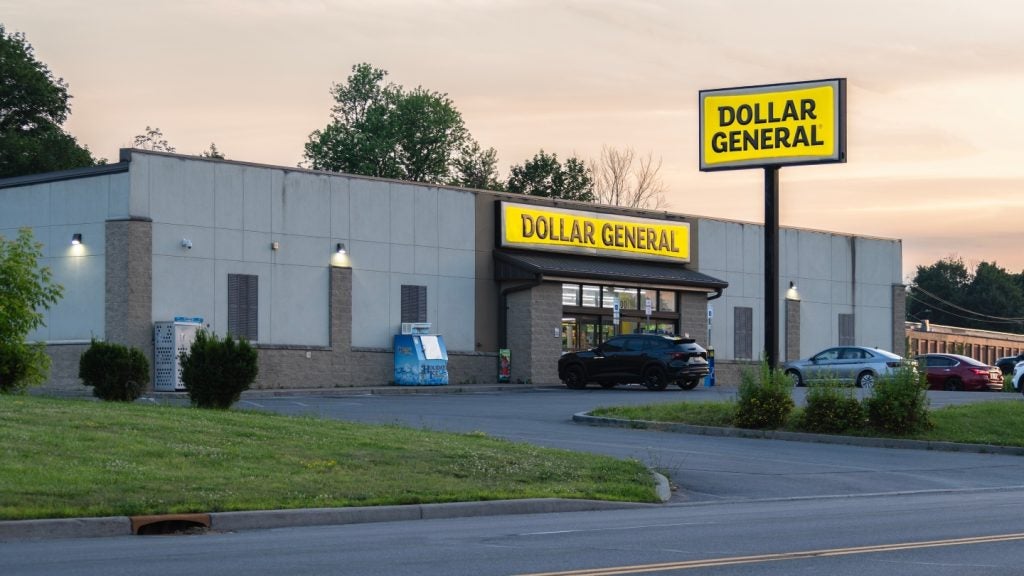
The US Federal Trade Commission (FTC) and 20 states have sued Dollar General, alleging the discount retailer charged higher checkout prices than those displayed.
The complaint was filed in the US District Court for the Middle District of Tennessee.
The FTC voted 2-0 to authorise the complaint, which alleges that Dollar General systematically overcharged consumers above the prices shown on store shelves, price tags, and advertisements.
According to the filing, internal audits and government inspections showed recurring pricing discrepancies across Dollar General's footprint.
Between 1 January 2023 and 31 March 2026, the company logged at least 29,265 customer complaints categorised under “Did Not Honor Marked Price” across all 48 states in which it operates.
Previously, Dollar General entered seven settlements with six state attorneys general and consumer protection agencies between 2019 and 2026 over inaccurate pricing, incurring more than $6m in penalties.
The complaint states that despite public assurances that the company will “own our actions and decisions and learn from our mistakes”, Dollar General failed to implement adequate safeguards to eliminate recurring register overcharges.
The plaintiffs are seeking civil penalties, consumer restitution, disgorgement of ill-gotten gains, a permanent injunction and other monetary relief, alongside court-mandated pricing controls, to prevent further unadvertised markups across Dollar General's retail network.
Retail Insight Network has contacted Dollar General for comment.
Headquartered in Tennessee, Dollar General operates more than 20,000 stores across the US.
Dollar General's chief executive describes the business as "uniquely positioned to serve underserved customers in rural communities", noting that its core base includes shoppers who "run out of money before the month runs out" and who "remained under financial pressure in 2025".
It stocks approximately 2,000 items priced at $1 or less while households earning $35,000 or less contribute 60% of the group's total revenue.