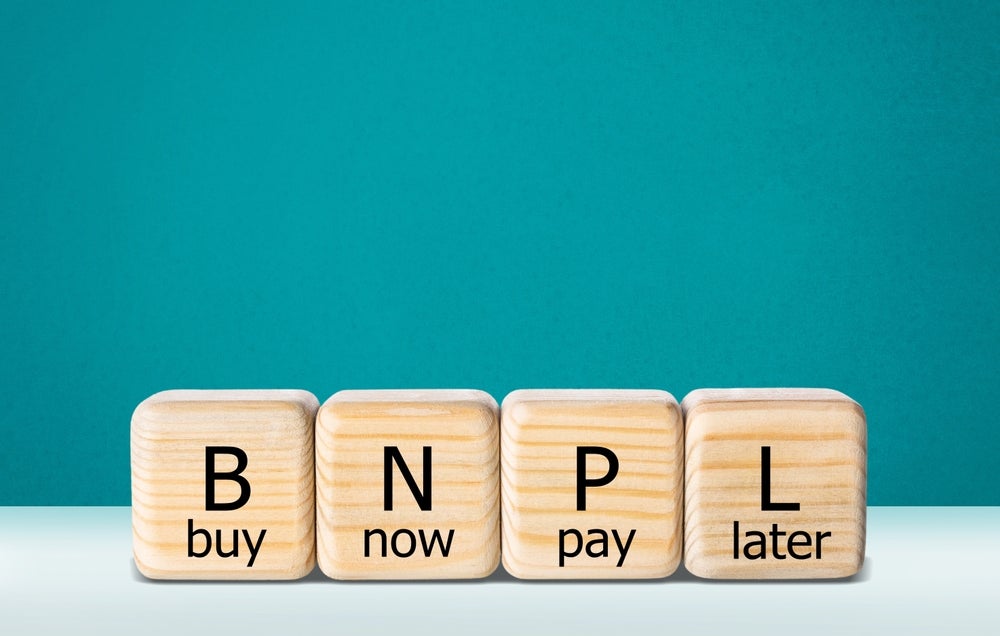
Germany’s new consumer credit rules are set to reshape how retailers use “buy now, pay later” (BNPL) at checkout, with direct implications for e-commerce, packaging volumes and order patterns across Europe’s largest retail market.
From 20 November 2026, the implementation of the Consumer Credit Directive (EU) 2023/2225 will bring stricter affordability checks and new disclosure requirements to BNPL and other small-scale loans.
For international packaging suppliers, the change matters because BNPL has supported online conversion rates, impulse purchases and shipment volumes in key sectors such as fashion, electronics and beauty.
A shift in how consumers pay is likely to influence order frequency, returns and fulfilment flows.
Stricter credit checks slow impulse buying
The new rules tighten creditworthiness assessments for BNPL. Lenders must now confirm that repayment is “probable”, replacing the previous lower threshold of “no substantial doubt”.
This change is expected to reduce approval rates, particularly among younger and lower-income consumers who have driven BNPL growth. Retailers relying on fast, low-friction checkout may see fewer completed transactions.
A retail analyst notes: “BNPL worked because it removed friction.” Under the new regime, “friction comes back into the checkout”.
For packaging suppliers, fewer approved transactions could translate into:
- lower parcel volumes in high-frequency categories
- more stable but slower order cycles
- reduced peaks linked to impulse buying campaigns
Small-ticket BNPL comes under regulation
The German framework extends consumer credit rules to loans under €200 and to interest-free instalment offers. These products have been widely used in everyday e-commerce purchases.
Retailers will need to adjust how they present BNPL at checkout. Marketing messages must include clear warnings such as: “Caution! Taking out credit costs money.”
This shift may affect consumer behaviour. Short-term, interest-free payment options have often encouraged basket growth. With more visible warnings and checks, some shoppers may revert to debit or prepaid methods.
One industry source comments: “The ‘invisible credit’ model is ending.” In practice, this means BNPL becomes more like traditional lending, with clearer terms and more scrutiny.
For the packaging sector, this could lead to:
- smaller average order sizes
- changes in product bundling strategies
- more predictable, but less promotional-driven demand
Retail adjusts checkout and fulfilment strategies
Retailers in Germany are expected to rebalance their payment mix. BNPL will remain available but less dominant, prompting greater focus on digital wallets, subscriptions and direct payments.
At the same time, the regulation introduces a practical benefit: the removal of mandatory handwritten signatures for credit agreements. Digital “text form” contracts will simplify online transactions and reduce administrative delays.
A payments specialist explains: “The process becomes more compliant, but also more digital.” This could help offset some conversion losses caused by stricter checks.
Retailers are also reviewing fulfilment and returns strategies. BNPL has been linked to higher return rates in some sectors, particularly fashion. If BNPL usage declines, return volumes may stabilise.
For packaging providers, the net effect may include:
- gradual shifts in demand rather than sudden drops
- changes in packaging formats as order profiles evolve
- closer alignment with more predictable retail cycles
Germany’s BNPL regulation signals a broader European trend towards tighter consumer credit oversight. For global packaging companies, the development is less about payments and more about how those payments shape retail demand.
As BNPL becomes more regulated, growth driven by frictionless checkout may give way to steadier, compliance-led consumption patterns.