
When a Dutch supermarket introduced a slower checkout lane in 2019, the aim was not to improve efficiency or boost sales. Instead, the idea was to make space for conversation.
Six years later, the concept of the “chat checkout” has become a permanent feature in hundreds of stores and a reference point in international discussions about loneliness, community retail and the social role of supermarkets.
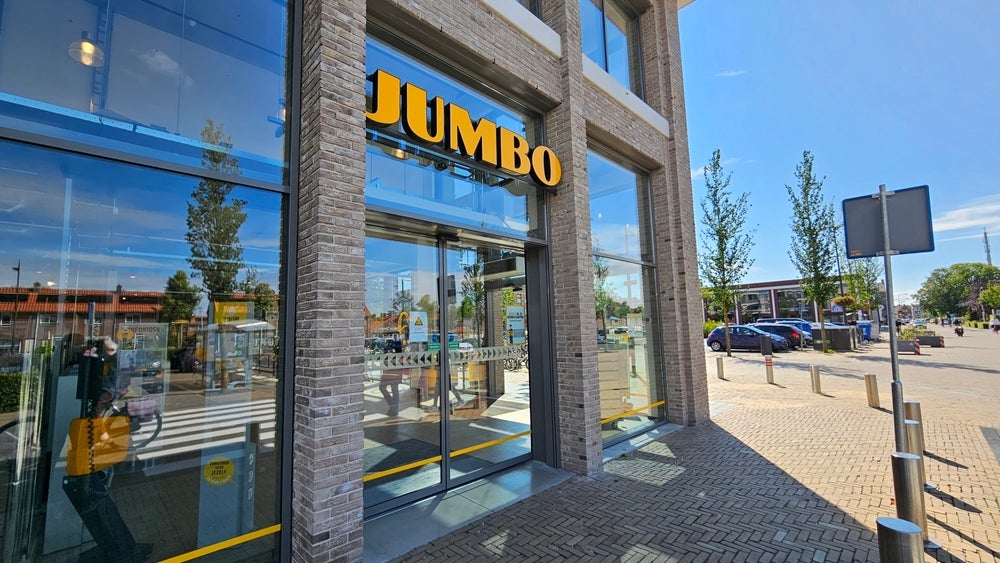
The initiative, known locally as kletskassa, was developed by Jumbo Supermarkets in response to growing concerns about social isolation, particularly among older people.
Unlike standard checkout lanes designed for speed, these lanes allow customers to take their time and engage in brief conversations with cashiers.
From local pilot to national rollout
The first chat checkout opened in the summer of 2019 in Vlijmen, a town in the southern Netherlands.
According to Marjolein Verkerk, Head of Communications, Corporate Affairs and CSR at Jumbo, the idea emerged earlier that year and was initiated by Colette Cloosterman-van Eerd, now Chair of the company’s Supervisory Board.
“In the summer of 2019, the first Kletskassa opened in Vlijmen, Brabant. More Kletskassa’s were gradually introduced after that,” Verkerk said.
The pilot coincided with the Dutch government’s Eén tegen eenzaamheid (One Against Loneliness) programme, coordinated by the Dutch Ministry of Health, Welfare and Sport.
National research had shown that loneliness affected a large proportion of older adults, reinforcing the case for everyday, low-barrier social interventions.
Customer response to the early trials was strongly positive. In 2021, Jumbo announced plans to expand the chat checkout to around 200 stores, focusing on areas where loneliness was identified as a significant social issue.
Cashiers working at these lanes were encouraged to slow the pace of transactions and prioritise human interaction.
Building social spaces beyond the checkout
Over time, the chat checkout became part of a broader approach to social connection within Jumbo stores.
Verkerk describes a mix of national initiatives and locally designed activities. “There are many different kinds of initiatives — from large collective ones such as Kletskassa’s, Kletsboeketten and Kletswandelingen, to local initiatives,” she said.
Many stores introduced informal meeting areas, often referred to as chat corners, where customers can sit down for coffee and conversation. Others organised walking groups, community meals or small neighbourhood events.
In 2024, each Jumbo store received €1,000 to invest directly in its local community as part of a nationwide campaign, resulting in projects ranging from school greening schemes to lunches for senior residents.
To support staff, Jumbo also created a Loneliness Handbook offering practical guidance on recognising signs of social isolation. “At our Kletskassa, customers can enjoy a friendly chat while taking their time to pay for their groceries,” Verkerk said, adding that the concept has “been a great success for years”.
A slow retail concept with wider relevance
As of early 2026, chat checkouts operate in more than 200 Jumbo locations across the Netherlands. Opening times and formats are determined locally, and there are no strict participation requirements.
“Stores know their customers and community better than anyone,” Verkerk explained. “Enthusiastic colleagues who are open to a chat with neighbors are the most important element.”
While the initiative was initially designed with older shoppers in mind, Jumbo says the checkout lanes are open to all ages. Participants include people who feel lonely, those who want to meet neighbours and customers who simply prefer a slower pace.
The concept has since gained international attention as an example of “slow retail”, illustrating how supermarkets can function as social infrastructure as well as points of sale.
Asked whether the idea could be shared more widely, Verkerk said the company is open to collaboration. “Our goal is connection — so if other supermarkets or organizations want to join, we are certainly open to that.”
For global retailers facing pressure to balance efficiency with social responsibility, the Dutch experience shows how small operational changes can turn routine moments—such as paying for groceries—into opportunities for human connection.