
The European Union is changing the way retailers handle unsold products, introducing new rules aimed at reducing waste, improving sustainability and encouraging more circular business models.
From July 2026, large companies selling clothing, footwear and accessories in the EU will face restrictions on destroying unsold goods under the Ecodesign for Sustainable Products Regulation (ESPR).
The move is expected to reshape how retailers forecast demand, manage inventory and deal with excess stock. For global retail businesses operating in Europe, the new requirements signal a shift away from traditional clearance and disposal practices towards reuse, resale, repair and recycling.
The EU’s unsold goods ban forms part of a wider sustainability strategy designed to reduce unnecessary waste across product supply chains.
At the same time, new customs rules for low-value imports are changing the conditions for international e-commerce sellers competing in the European market.
Retailers face new rules on excess inventory
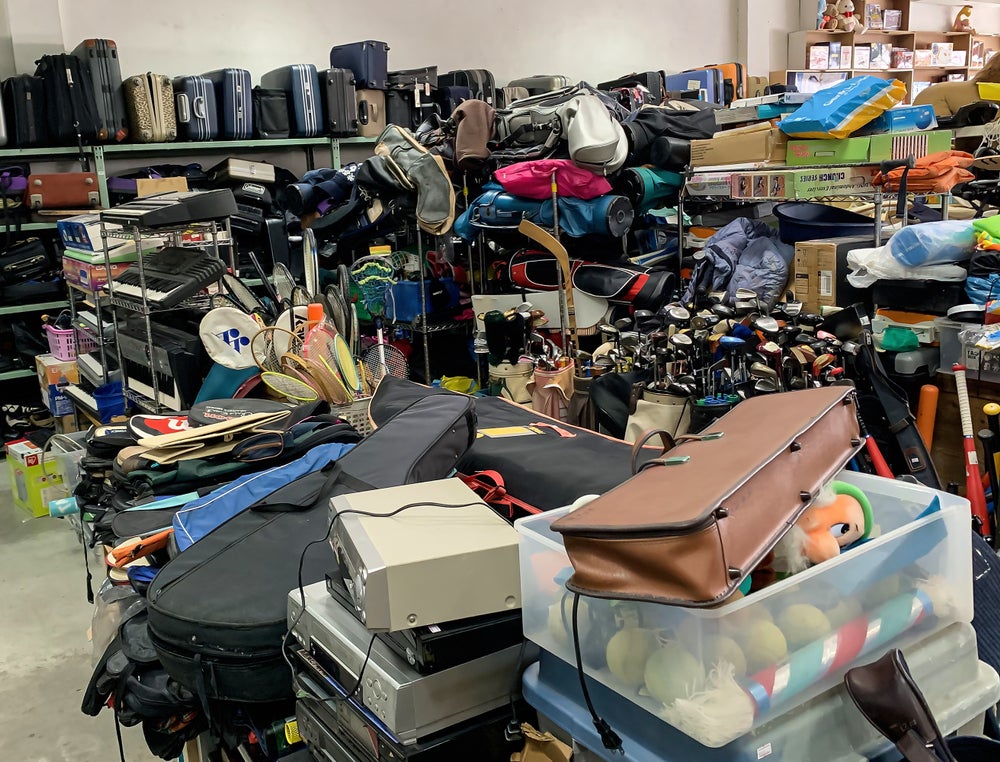
The destruction of unsold consumer goods has become a growing concern as retailers deal with rising levels of excess stock caused by changing consumer demand, seasonal trends and supply chain uncertainty.
Under the ESPR, the EU will prohibit large companies from destroying unsold apparel, clothing accessories and footwear from 19 July 2026. The regulation requires businesses to disclose information about discarded products and explain why they were destroyed when destruction is permitted.
The rules are designed to encourage retailers to find alternatives before products become waste. These options include returning goods to the market through resale channels, donating usable products, repairing items or finding recycling solutions.
For fashion retailers in particular, the change could have a significant impact. Companies may need to improve demand forecasting, reduce overproduction and develop better systems for managing returned and surplus stock.
The regulation reflects a broader shift in consumer goods markets, where regulators are increasingly focusing on the full lifecycle of products rather than only their environmental impact during production.
Circular retail models gain importance
The EU unsold goods ban is expected to accelerate investment in circular retail practices. Businesses are increasingly exploring ways to extend product life through resale platforms, refurbishment services and take-back programmes.
Retailers with stronger inventory management systems may find it easier to adapt. Better sales forecasting, real-time stock monitoring and improved communication between suppliers and stores can help reduce the amount of excess inventory created in the first place.
The move could also create new opportunities for businesses involved in resale, repair and recycling. As brands look for alternatives to disposal, partnerships with specialist operators may become more important.
However, the transition will require investment. Retailers will need to review their supply chains, update internal processes and ensure employees understand new requirements. Smaller businesses may also need support as sustainability rules expand across more sectors.
The EU has indicated that the destruction ban will initially focus on larger companies, with medium-sized businesses expected to face similar requirements at a later stage.
Customs changes add pressure on online sellers
The EU’s sustainability measures come alongside major customs reforms affecting cross-border e-commerce. From 1 July 2026, the bloc removed the previous customs duty exemption for low-value parcels worth less than €150.
The change means more small online shipments entering the EU will face customs charges, creating new compliance requirements for international sellers and marketplaces.
The reform is aimed at creating fairer competition between EU retailers and overseas sellers while improving controls over product safety, taxation and imported goods. It follows rapid growth in low-value e-commerce shipments from outside the EU.
For global retailers, the combined impact of the new customs rules and unsold goods requirements is clear: operating in the European market will require stronger supply chain control, accurate product information and greater focus on regulatory compliance.
The changes represent a wider transformation in retail, where sustainability and trade rules are becoming closely connected.
Companies that adapt early by improving inventory management, reducing waste and building more circular business models are likely to be better positioned in the evolving European market.