Retail is being reshaped by ideas once confined to restaurants, cafés and commercial kitchens. From grab-and-go formats to fresh-prepared meals and frictionless ordering, foodservice innovation is influencing how retailers attract footfall, extend dwell time and unlock new revenue streams.
As consumer expectations evolve, the boundary between retail and foodservice continues to blur, creating new opportunities across physical stores, convenience formats and omnichannel environments.
At the centre of this shift is a growing demand for quality, speed and experience. Shoppers increasingly expect retail food offers to match the standards of foodservice, while maintaining the value and accessibility associated with retail.
This convergence is driving structural change across the sector and redefining how retailers think about food-led growth.
Foodservice thinking reshapes the retail offer
Foodservice innovation has introduced a sharper focus on menu design, speed of service and operational efficiency. Retailers are adopting these principles to enhance their food propositions, particularly in fresh and prepared categories.
Concepts such as limited menus, modular kitchens and flexible day-part offers are becoming more common in supermarkets, convenience stores and travel hubs.
The result is a retail environment that prioritises immediacy and relevance. Freshly prepared meals, barista-style coffee and hot food counters now sit comfortably alongside traditional grocery ranges.
This approach supports impulse purchasing while catering to time-poor consumers seeking reliable meal solutions.
Retail food innovation also benefits from foodservice expertise in portion control, waste reduction and supply chain optimisation.
By applying these disciplines, retailers can improve margins while responding more quickly to changing consumer preferences.
Technology-driven foodservice models unlock growth
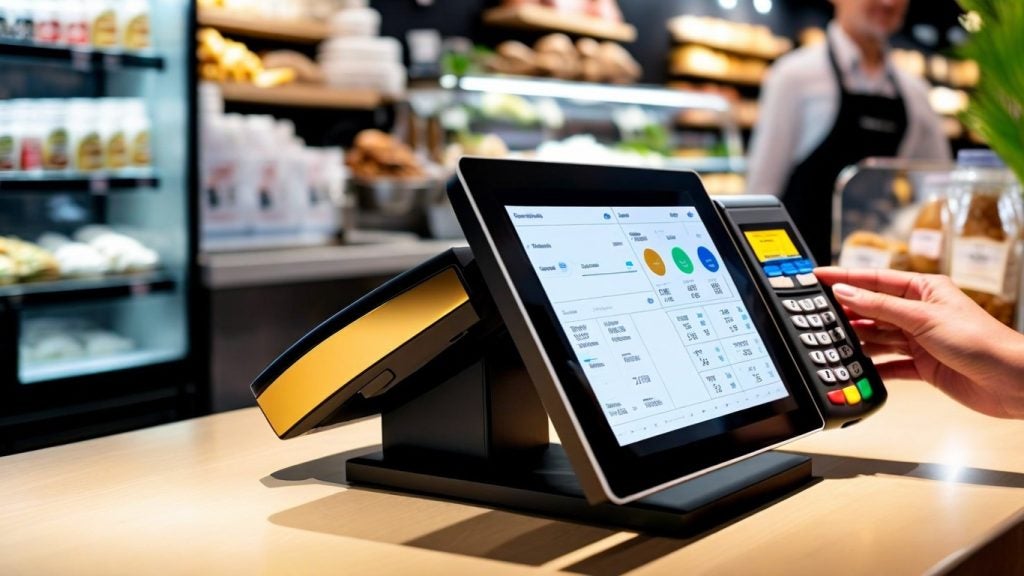
Digital transformation has accelerated the transfer of foodservice innovation into retail. Mobile ordering, self-service kiosks and data-led menu planning are enabling retailers to operate food offers with greater precision and scalability.
These tools support consistent quality across multiple locations while reducing reliance on specialist labour.
Foodservice technology also enhances the customer experience. Faster ordering, transparent pricing and personalised recommendations help retail food offers compete with quick-service restaurants.
In-store analytics and loyalty data allow retailers to refine ranges based on real purchasing behaviour rather than assumption.
For B2B stakeholders, this creates opportunities across equipment, software, logistics and ingredient supply. As retail foodservice expands, demand grows for solutions that combine speed, safety and operational resilience.
Convergence creates long-term retail value
The merging of retail and foodservice is not a short-term trend. It reflects deeper changes in how consumers shop, eat and allocate their time.
Retailers that integrate foodservice innovation into their core strategy are better positioned to drive repeat visits and diversify income beyond traditional product sales.
Convenience retail, in particular, stands to benefit. Smaller footprints with strong food-to-go offers can compete on experience rather than scale, while larger retailers can use foodservice zones to anchor destination visits.
This convergence also supports omnichannel growth, with prepared food becoming part of click-and-collect and rapid delivery models.
As foodservice and retail continue to overlap, the most successful operators will be those that balance culinary credibility with retail efficiency.
By learning from foodservice innovation, retailers can create flexible, future-proof formats that respond to changing lifestyles and sustain long-term growth.