

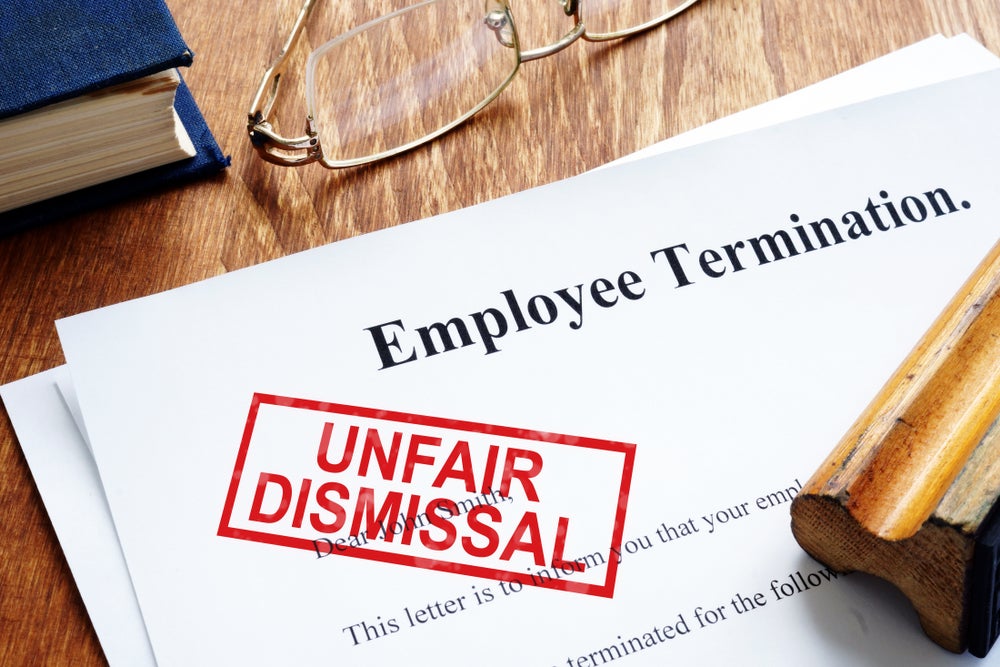
The UK’s Employment Rights Act 2025 is set to change how unfair dismissal claims work, significantly increasing legal exposure for employers in the retail sector.
From 1 January 2027, the qualifying period for ordinary unfair dismissal claims will be reduced from two years to six months, while the statutory cap on compensation will be removed.
For retailers, especially those managing high staff turnover, seasonal recruitment and large frontline workforces, the changes mean dismissal decisions will need to be handled earlier, more formally, and with stronger documentation than before.
Six-month threshold
Under the new unfair dismissal rules UK employers will face, staff will gain the right to bring an unfair dismissal claim after six months of continuous employment.
This is a major shift from the long-standing two-year rule and will compress the time available for employers to assess performance and suitability.
In retail, where hiring is often fast and demand-driven, this creates practical pressure on probation and onboarding processes. Decisions that were previously made later in employment will now need to be addressed within the first few months.
Day-one rights remain unchanged. Protection against discrimination and automatic unfair dismissal (such as whistleblowing or pregnancy-related dismissal) continues to apply from the start of employment. This adds a layered legal framework: some rights apply immediately, while others now apply after six months.
Uncapped compensation risk
A second major change is the removal of the statutory cap on unfair dismissal compensation.
Historically, compensation has been limited by a legal ceiling, often linked to a maximum figure or a year’s pay. Under the Employment Rights Act 2025, that cap is removed, meaning tribunal awards will no longer have a fixed upper limit.
For retailers, this increases financial risk in dismissal disputes. Even cases involving relatively short periods of employment could result in higher payouts if procedures are found to be unfair or poorly managed.
Legal commentary on the reforms highlights the likelihood of increased litigation exposure, particularly where documentation is weak or where dismissal decisions are not clearly supported by evidence of performance issues.
What retailers should do
Retail employers are being advised to prepare well ahead of the 2027 implementation date. The main focus is reducing risk during the first six months of employment, when unfair dismissal claims will become possible.
Key practical steps include:
- Strengthening recruitment and screening processes to reduce early-stage hiring mistakes
- Making probation periods more structured, with clear performance benchmarks
- Improving record-keeping for attendance, conduct and performance issues
- Training store managers on fair dismissal and disciplinary procedures
- Reviewing contracts and HR policies to reflect the new legal framework
Industry bodies such as the British Independent Retailers Association (Bira) have warned that the reforms could increase operational pressure on smaller retailers, particularly those with limited HR capacity.
Guidance published for members stresses the importance of early compliance planning and consistent internal processes.
As the retail sector adapts, the key challenge will be balancing flexibility in hiring with a stricter and higher-risk dismissal environment.