

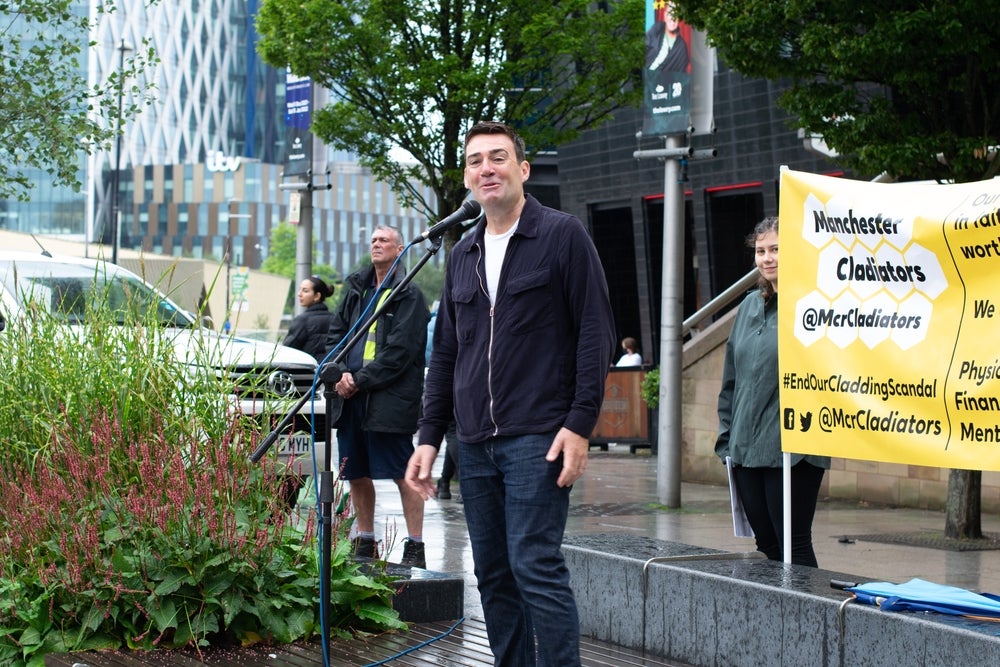
The British Retail Consortium (BRC) has called on Andy Burnham MP to support a new retail plan aimed at protecting jobs, encouraging investment and keeping prices affordable for consumers.
The industry body said closer cooperation between government and retailers would be needed to strengthen the UK retail sector and support economic growth.
The BRC’s Buy into Retail Manifesto: Jobs, Growth and Affordability sets out 10 policy priorities covering employment costs, business rates, retail crime, energy prices, regulation and skills.
The organisation said the measures would help retailers create jobs, invest in high streets and maintain competitive prices for households.
Retail is one of the UK’s largest employers, supporting millions of jobs across shops, distribution networks and supply chains. The BRC said the sector has a key role in providing entry-level opportunities, particularly for young people.
Retail jobs and growth
The BRC said rising business costs are creating pressure on retailers’ ability to invest and recruit. It highlighted a £6.5 billion increase in employment costs over two years, including higher employer National Insurance contributions and increases in the National Living Wage.
The organisation warned that higher costs could affect employment opportunities at a time when youth unemployment is increasing. Retail remains an important route into work, with the sector employing 2.8 million people directly across UK communities and supporting many more jobs through its supply chains.
BRC chief executive Helen Dickinson said retail was closely linked to everyday economic activity.
“Retail is where the economy shows up in everyday life,” she said, adding that the sector supports jobs, local communities and consumer choice.
The manifesto calls for lower employment costs for younger workers, reforms to employment and skills policies, and a government-retail taskforce to improve routes into employment.
High streets and retail costs
The BRC’s proposals also focus on the challenges facing high streets, including business rates, retail crime and the cost of operating stores.
The organisation called for changes to business rates to support investment in town centres and local retail jobs. It said high property taxes remain a significant fixed cost for retailers and can limit investment decisions.
Retail crime is another major concern highlighted in the manifesto. The BRC said retailers are experiencing increased levels of theft and violence, affecting both workers and customers. It called for stronger enforcement and faster action against repeat offenders.
The group also urged policymakers to support investment in retail locations across the country and improve coordination between government departments when introducing new regulations.
Dickinson said retailers could help deliver wider economic goals if businesses had greater certainty.
“With the right policies, retail can drive investment, support jobs in every postcode, and keep household essentials affordable,” she said.
Energy prices and affordability
The retail manifesto also highlights energy costs as a barrier to competitiveness. The BRC called for measures to make electricity costs more competitive for retailers, arguing that lower operating costs would help businesses manage prices for customers.
The organisation said government decisions should consider the combined impact of new taxes, regulations and compliance requirements on businesses.
It pointed to upcoming changes affecting retailers, including employment legislation, packaging rules and product requirements, as examples where coordinated planning would be important.
The BRC said its proposals are intended to support collaboration between retailers and policymakers on jobs, growth and affordability. It said the retail sector can contribute to economic development across UK communities if businesses are given the conditions needed to invest.