UK retailers have warned against complacency after official data showed UK inflation rising at the end of 2025, underlining continued cost pressures across the retail sector as businesses enter 2026.
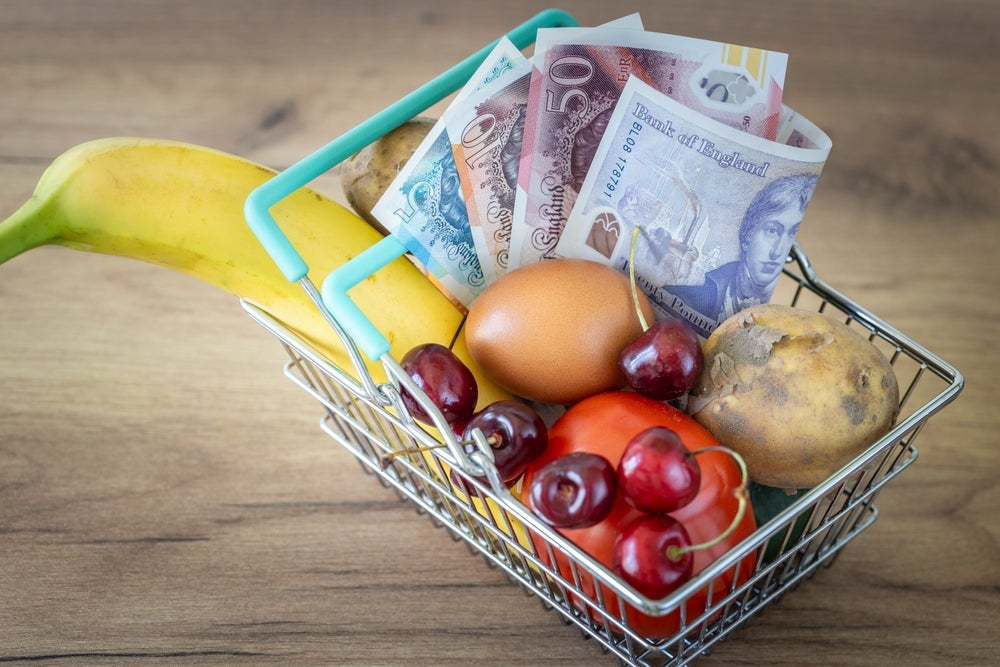
Figures published by the Office for National Statistics (ONS) show consumer price inflation increased to 3.4% in December 2025, up from 3.2% in November. The rise marked the first acceleration in five months and reflected higher prices in food, transport, alcohol and tobacco .
Retail representatives said the data highlights how fragile recent progress on inflation remains, particularly for households and businesses sensitive to changes in everyday costs.
Inflation data signals renewed pressure points
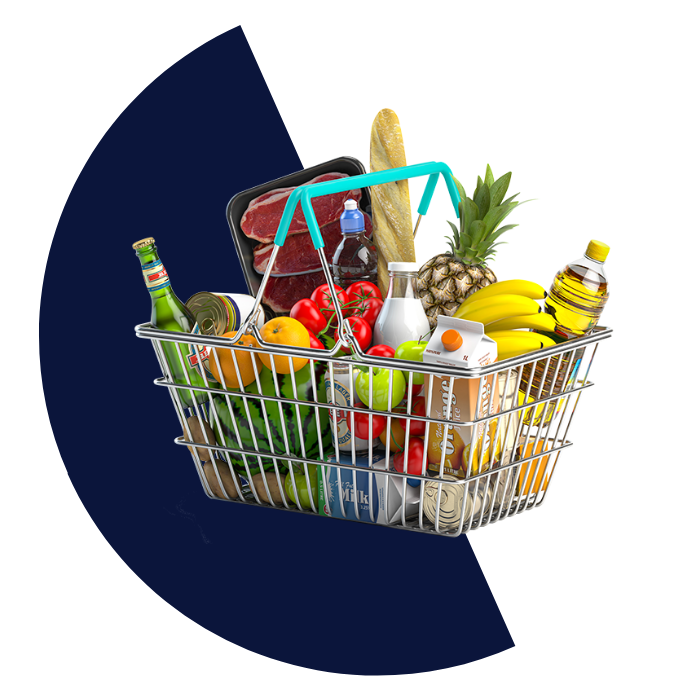
According to the ONS, food and non-alcoholic beverage prices rose 4.5% year on year in December, compared with 4.2% the previous month. Transport costs also contributed to the increase, driven largely by seasonal airfare movements.
The broader CPIH measure, which includes owner-occupiers’ housing costs, climbed to 3.6%, reinforcing concerns that price pressures remain embedded across several areas of the economy.
While some household costs eased, the overall picture pointed to uneven progress in bringing inflation back towards earlier lows.
Economists noted that December’s rise, though modest, was higher than many forecasts and may complicate expectations around interest rate decisions in early 2026.
Retail sector warns against inflation complacency
The British Retail Consortium (BRC) reacted by urging policymakers not to underestimate the persistence of inflation in the retail economy. The organisation said the increase was an “unwelcome rise” after months of gradual easing.
BRC economist Harvir Dhillon said headline inflation was “primarily driven by increases in food inflation and transport costs,” stressing that price growth remains “higher than at the start of the year” .
While retailers have worked to limit price increases where possible, the BRC said businesses continue to face elevated operating costs, including energy, logistics and labour, which ultimately influence shelf prices.
Cost pressures and outlook for retailers in 2026
Retail leaders warned that future regulatory and policy decisions could add further strain. Dhillon cautioned that if incoming regulations increase business costs, “this will be felt by consumers – not only in higher prices, but from the knock-on impact to jobs”.
For international industry observers, the UK data highlights how inflation trends remain a key risk for retail planning, pricing strategies and consumer demand. Despite earlier signs of easing, December’s figures suggest that the path back to lower inflation is unlikely to be smooth.
As 2026 begins, retailers and policymakers are expected to remain focused on balancing cost pressures with the need to protect household spending power, while avoiding assumptions that inflationary risks have fully receded.