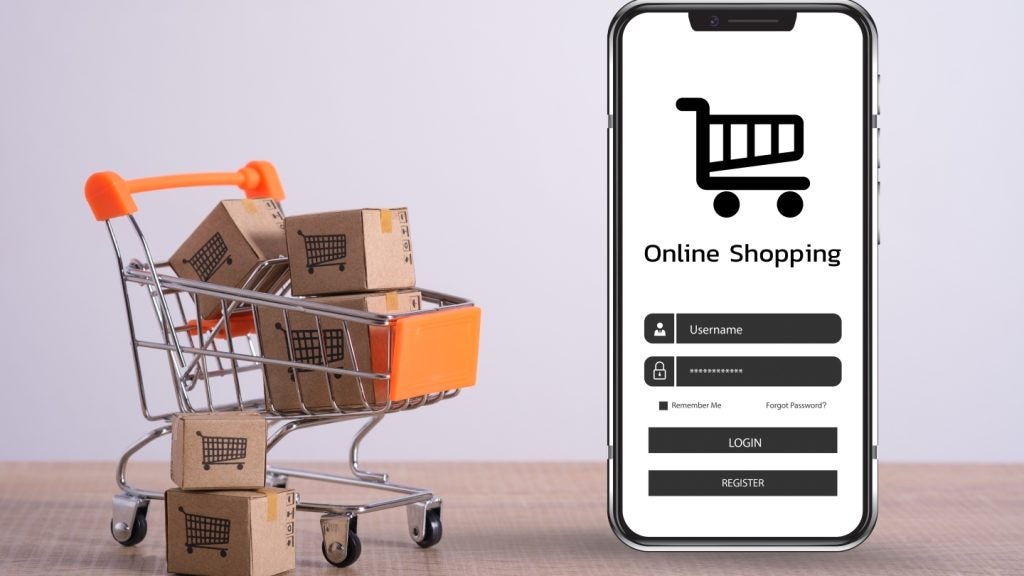
Thailand’s Cabinet has approved revised customs duty rules for e-commerce imports through express delivery and postal services, setting a maximum duty rate of 30% for goods.
The Ministry of Finance proposed the criteria, which apply to goods bought through e-commerce platforms and imported through express delivery channels and international postal services.
Under the revised rules, the goods will be subject to duties set out in the existing customs tariff schedule, with rates capped at 30%.
The measures will take effect 15 days after their publication in the Royal Gazette.
Deputy Prime Minister and Finance Minister Ekniti Nitithanprapas said the changes are part of the government’s Reinvent Thailand strategy and its STI framework – Stabilise Today, Transition Now, Invest for Tomorrow.
The revised duty criteria fall under the framework’s “Stabilise Today” pillar, which covers fair competition and the updating of trade regulations for the digital economy.
The government said e-commerce growth has expanded Thai consumers’ access to overseas products and increased price competition.
Thai businesses incur costs related to taxation, employment, regulatory requirements, and product standards, resulting in differences in operating costs and competitive conditions.
According to the translated version of the press statement, the measures also address concerns over low-cost imported goods that may not comply with Thai standards.
The government named food and beverages, cosmetics and dietary supplements, electronic equipment, power banks, and automotive parts as products that may pose safety or quality risks.
Permanent Secretary of the Ministry of Finance Lawaron Saengsanit said the ministry had directed the Customs Department to speed up preparation of a Ministry of Finance announcement implementing the revised rates.
Customs Department Director-General Panthong Loykulnan said the department would work with e-commerce platforms to establish systems and procedures, including the use of platform information to improve product descriptions and duty collection.
The government expects the measures to improve import-duty collection, support domestic small and medium-sized enterprises (SMEs), and raise government revenue.
It also plans to support SMEs through technology adoption, including artificial intelligence, improved access to finance, foreign investment supporting technology transfer, and participation in higher-value supply chains.
Earlier this month, the Cabinet approved a 35% excise tax on imported battery electric vehicles (BEVs) and range-extended electric vehicles (REEVs), effective from 1 January 2027.