
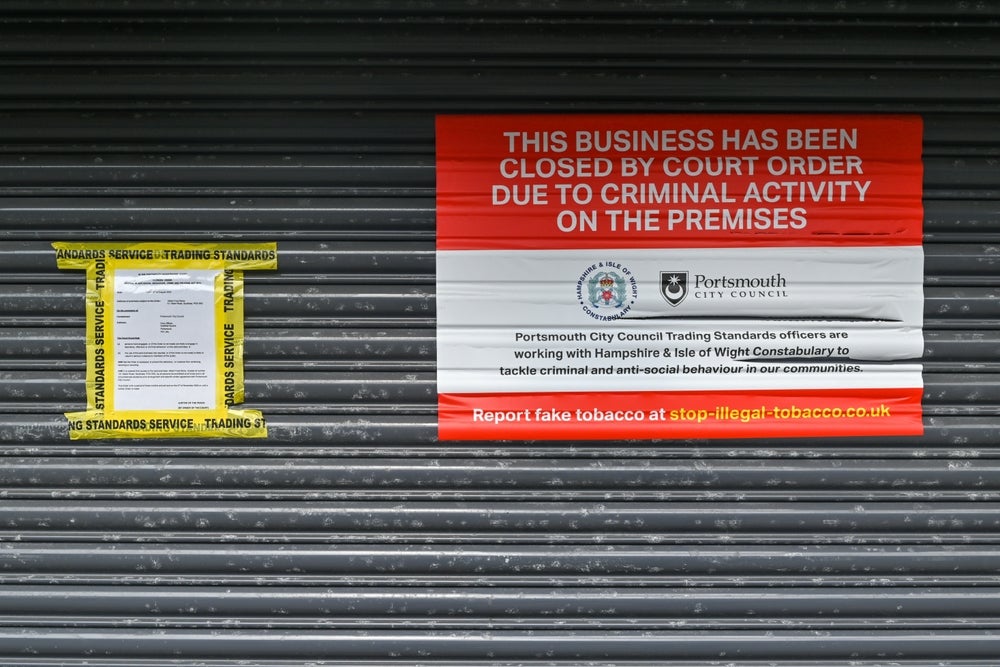
The UK government plans to strengthen its fight against organised retail crime by giving police and local authorities longer-lasting powers to close businesses suspected of criminal activity, as retailers continue to warn about the growing impact of illicit trading on the high street.
Under proposals announced by the Home Office, the maximum length of closure orders for premises linked to organised crime will double from six months to 12 months.
Ministers say the change will give investigators more time to gather evidence, pursue prosecutions and prevent criminal operators from reopening while investigations continue.
The legislation is expected to be introduced later this year following consultation.
Longer closures for suspected crime hubs
The measures form part of the UK's wider retail crime strategy, which targets businesses allegedly being used to support money laundering, tax evasion, illegal working and the sale of illicit goods.
Current rules allow premises to be closed temporarily, but ministers argue that businesses can often reopen before investigations are complete. Extending closure orders is intended to reduce repeat enforcement action while giving police and councils more time to identify the organised crime groups behind suspected offences.
The government is also reviewing whether vape shops, barbers and car washes should remain eligible to sponsor overseas workers through the Skilled Worker visa system after concerns about abuse. Businesses found to be misusing the system could lose their sponsorship licences.
The announcement builds on a broader £30 million programme launched in May, including the creation of a High Street Organised Crime Unit that brings together the National Crime Agency, police, Trading Standards and other government bodies.
The National Crime Agency estimates that at least £12 billion in criminal cash is generated annually in the UK, with around £1 billion laundered through high street businesses.
Home Secretary Shabana Mahmood said criminal gangs had "hijacked" parts of Britain's high streets by operating businesses "in plain sight". She added that the government intends to "close these shops for good and put criminal bosses behind bars".
Retailers back stronger enforcement
Retail organisations have broadly welcomed the proposed changes, arguing that organised criminal activity harms legitimate businesses and local communities.
The British Independent Retailers Association (Bira) said illicit traders have become "an emerging and serious threat" to independent retailers.
Andrew Goodacre, chief executive of Bira, said: "Independent retailers now face three distinct forms of retail crime – abuse of staff, theft, and the growing threat of illicit traders operating in their communities."
He added: "We believe illicit trading may be the greatest long-term threat to local shops and the high streets they anchor."
The government's proposals have also received support from the Chartered Trading Standards Institute, which said longer closure orders would give enforcement officers more time to investigate suspected criminal activity while protecting local communities.
Focus on organised retail crime
The latest proposals reflect a broader shift in UK retail policy towards tackling organised retail crime rather than isolated offences.
Alongside longer closure orders, thousands of businesses are expected to face inspections and raids as part of coordinated enforcement involving police, Trading Standards, HM Revenue & Customs and immigration authorities. Authorities expect hundreds of arrests and the seizure of millions of pounds linked to suspected criminal activity.
The government says stronger enforcement is designed to protect legitimate retailers, reduce the burden on police and courts, and disrupt criminal networks that use apparently lawful businesses to conceal illegal activity.
The planned legislation is expected to be introduced before the end of 2026 following consultation with enforcement bodies and other stakeholders.