UK inflation slowed in June as lower prices for food, clothing and motor fuels reduced pressure on household budgets, offering retailers some relief after months of rising costs.
The UK's Consumer Prices Index (CPI) rose by 2.6% in the 12 months to June, down from 2.8% in May, according to the Office for National Statistics (ONS). The figure was lower than many economists had expected and moved inflation closer to the Bank of England's 2% target.
Separate figures from the British Retail Consortium (BRC) show that strong competition between retailers helped keep shop prices under control, particularly across food and seasonal products.
Food prices ease
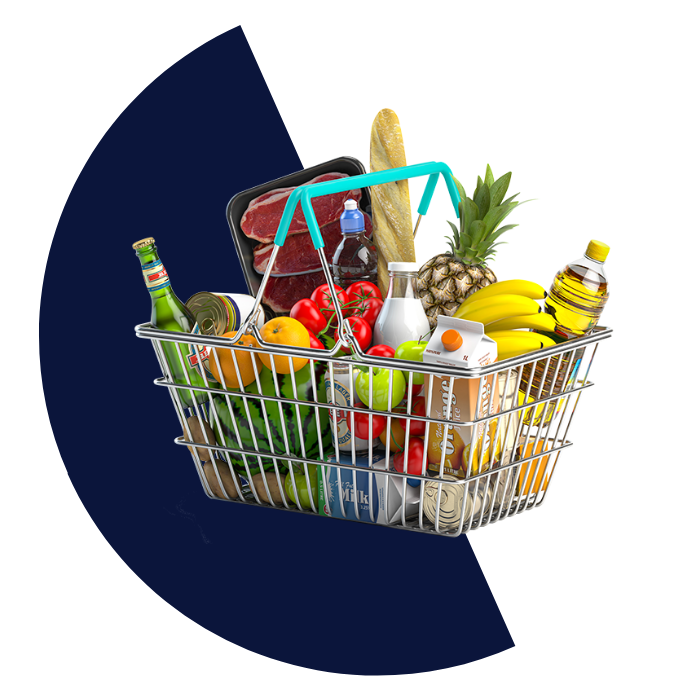
Lower food prices made one of the biggest contributions to the slowdown in UK inflation. The BRC said food inflation eased during June as retailers continued to compete for shoppers and offered promotions on a range of products.
Helen Dickinson, Chief Executive of the British Retail Consortium, said: "Food price growth eased."
She said retailers also kept prices down on seasonal goods "thanks to bumper crops and strong competition".
Fresh food prices rose more slowly than in previous months, while discounts remained common across supermarkets. The BRC's latest Shop Price Index also showed that overall shop price inflation remained stable during the month.
Mike Watkins, Head of Retailer and Business Insight at NIQ, said lower food inflation reflected "price reductions and higher levels of promotion". He added that discounts on seasonal products helped support consumer spending.
Fuel and clothing reduce inflation
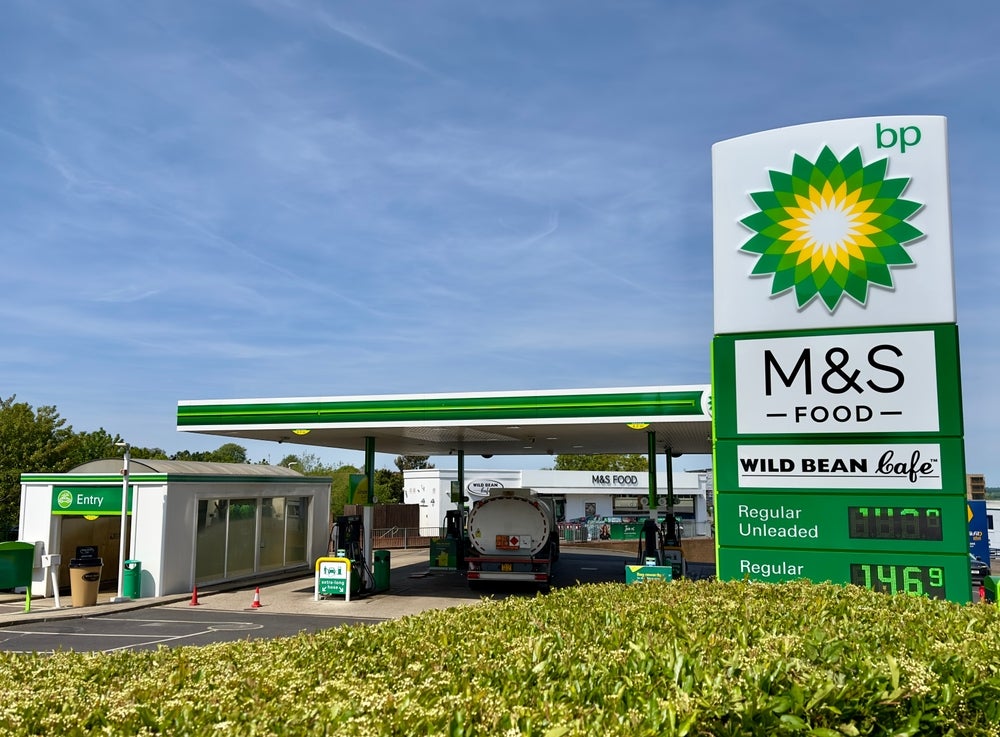
The ONS said lower petrol prices also helped pull inflation lower during June. Clothing prices increased more slowly than a year earlier, adding to the overall fall in the annual inflation rate.
Although prices are still rising across the economy, they are increasing at a slower pace than in recent months. Core inflation, which excludes more volatile items such as food and energy, remained steady, while services inflation also eased.
For retailers, slower inflation may help support consumer confidence as household budgets come under less pressure. Lower inflation can also encourage spending on discretionary goods, although many consumers remain cautious after a prolonged period of higher living costs.
Cost pressures continue
Despite the improvement in inflation, retailers continue to face rising business costs.
Dickinson said "a competitive market is keeping inflation in check for now", but warned that higher employment costs, packaging-related taxes and supply chain pressures continue to affect the sector.
She said reducing taxes and levies on business energy bills would help retailers manage costs and limit future price increases.
Industry analysts also caution that inflation risks have not disappeared. Higher global energy prices and geopolitical uncertainty could increase costs later this year, creating fresh pressure on retail supply chains and consumer prices.
For now, however, easing food and fuel prices have helped slow UK inflation, giving both consumers and retailers a period of greater price stability while businesses continue to navigate a challenging trading environment.