UK shop price inflation slowed in April 2026 as retailers increased discounting across key categories, according to new data from the British Retail Consortium (BRC).
The latest BRC-NIQ Shop Price Index shows annual shop price inflation at 1.0%, down from 1.2% in March, reflecting widespread price promotions and weaker consumer demand.
The easing trend was driven by lower non-food prices and slower food inflation, offering short-term relief for households facing ongoing cost pressures. Industry analysts say the current slowdown may be temporary, with upstream costs expected to rise later in 2026.
Discounting drives retail price slowdown
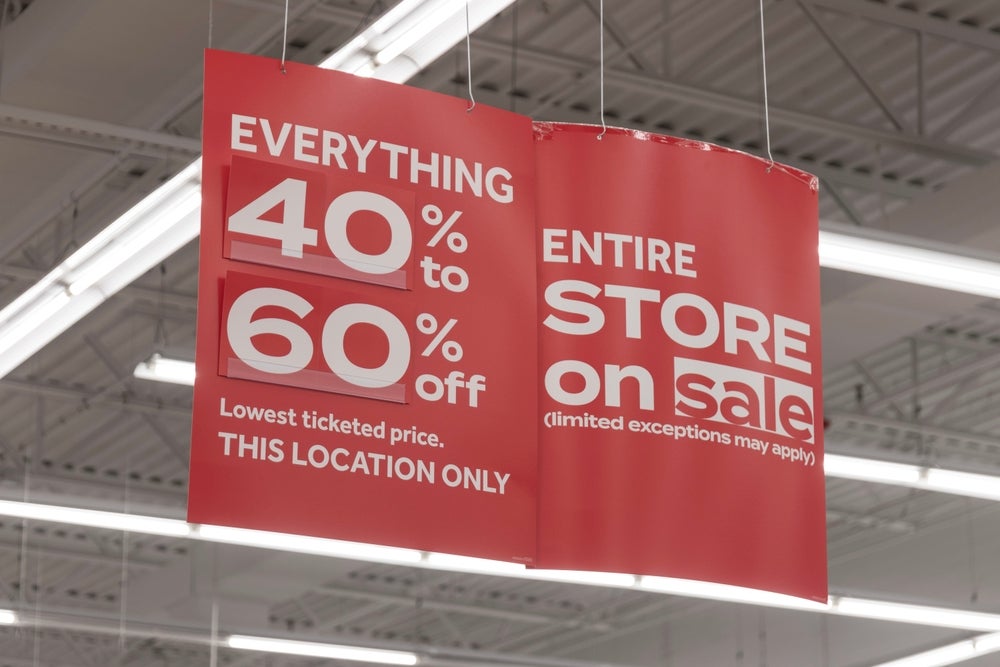
Heavy discounting in clothing, furniture and DIY goods played a central role in reducing shop price inflation. Non-food prices fell by 0.1% year on year, reversing the slight increase recorded in March.
Helen Dickinson, chief executive of the BRC, said “bigger discounts in clothing, furniture and DIY goods helped pull down shop price inflation in April.” She added that “retailers competed harder on price to stimulate more spring spending,” pointing to subdued consumer confidence.
Promotional activity increased during the Easter period, with retailers using price reductions to attract cautious shoppers. Market data indicates that this approach contributed to a month-on-month fall in overall shop prices.
Food inflation eases but remains elevated
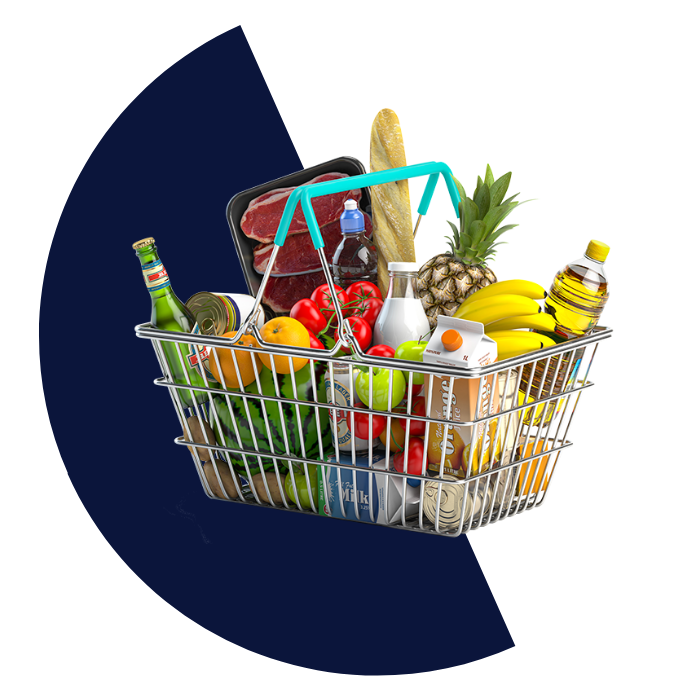
Food price inflation also slowed, falling to 3.1% in April from 3.4% in March. Fresh food inflation eased to 3.9%, while ambient food inflation edged up slightly to 2.1%.
Discounting of seasonal products contributed to the decline. Dickinson noted that “food price inflation also slowed as retailers offered discounts on Easter items such as chocolate.”
Despite the slowdown, food prices remain a key pressure point for households. Inflation in this category continues to outpace overall shop price growth, reflecting higher costs across supply chains.
Cost pressures and outlook for UK inflation
Retailers face rising input costs linked to fuel, commodities and domestic policy changes. The BRC reports that businesses have absorbed significant additional costs in recent years, including employment expenses and regulatory charges.
Dickinson warned that “we’re yet to see the full force of the Middle East conflict feeding into consumer prices,” adding that “it will not be long before it begins to.”
Separate industry analysis highlights growing pressure from higher fuel prices. Mike Watkins, head of retailer and business insight at NIQ, said “increased fuel prices are already leading to higher inflation,” with further impact expected across food and non-food supply chains.
He added that retailers are likely to delay price increases where possible, noting they “will look to hold back any price increases as long as possible” due to fragile demand.
While current discounting has slowed UK inflation at the shop level, the outlook remains uncertain. Analysts expect cost pressures to build through 2026, potentially reversing the recent easing in retail prices and affecting broader UK inflation trends.