

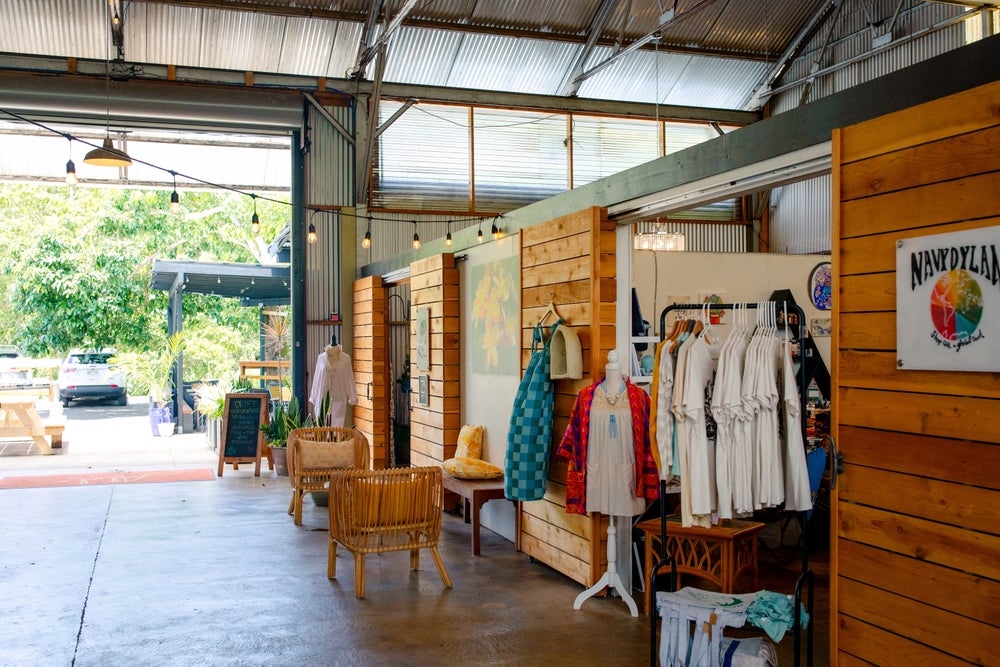
A growing number of retailers are opening their stores to other brands instead of using every square metre to sell their own products.
What was once unusual has become an important retail strategy, with businesses sharing shop floors for pop-up stores, product launches, workshops, cafés and community events.
The approach is known by several names, including Retail-as-a-Service (RaaS), co-retailing, space sharing and shop-in-shop retailing. Whatever the label, the idea is simple. One brand provides physical space while another uses it for a limited period to sell products, meet customers or stage an event.
The trend is changing the role of physical stores. Rather than acting only as places to buy goods, shops are becoming flexible spaces where brands collaborate, reach new customers and create experiences that cannot be replicated online.
Cutting costs while reaching new customers
One of the biggest reasons brands share retail space is financial.
Running a physical store has become more expensive as rents, energy bills, insurance and staffing costs continue to rise. For many smaller businesses and online brands, opening a permanent store is difficult to justify.
Sharing space offers a lower-cost alternative. Instead of signing a long lease, a guest brand can rent part of an existing store for a short period. This reduces risk while allowing the business to establish a physical presence in busy shopping locations.
The arrangement also benefits the host retailer. Income from unused floor space creates an extra revenue stream while bringing fresh products and experiences into the store.
Another major advantage is access to new customers.
Brands often partner with businesses that attract similar shoppers without selling competing products. A boutique clothing retailer might host a men's grooming brand, while a cycling store could welcome a specialist coffee company. Each business introduces its customers to the other, helping both expand their audience without relying solely on expensive advertising.
Creating experiences that attract shoppers
Consumers increasingly expect more from physical retail than simply buying products.
Many shoppers now visit stores to discover new brands, attend events or spend time with friends and family. Retailers are responding by turning stores into places where people can learn, socialise and participate.
Shared retail spaces support this shift.
A coffee shop inside a bookshop encourages customers to stay longer. A fitness retailer might host weekly running clubs, nutrition workshops or health experts. Beauty stores often invite skincare specialists or make-up brands to demonstrate products through live events.
These activities give shoppers reasons to visit that go beyond making a purchase. They also create experiences that are more likely to be shared on social media, helping both brands reach wider audiences.
Longer visits often translate into higher spending, making experiential retail attractive for both hosts and guest brands.
Helping brands test new markets
Retail space sharing has also become an effective way for businesses to experiment before making larger investments.
Many direct-to-consumer brands built successful online businesses without opening physical stores. Shared retail space allows them to meet customers in person without committing to expensive long-term premises.
Temporary pop-ups, concessions and shop-in-shop concepts provide valuable insight into customer demand, product performance and local shopping habits before a company decides whether to expand permanently.
Large retailers have adopted similar strategies.
Nordstrom regularly introduces rotating brands through its Pop-In@Nordstrom programme. Target has created dedicated shop-in-shop partnerships with brands including Ulta Beauty and Apple.
In the UK, John Lewis has hosted Topshop pop-up spaces, while luxury retailers increasingly combine shopping with cafés and lifestyle experiences.
These collaborations keep stores changing throughout the year, encouraging repeat visits while giving emerging brands access to prime retail locations.
As physical retail continues to evolve, sharing space is becoming more than a short-term marketing tactic. It offers retailers a practical way to reduce costs, generate new income, attract fresh audiences and deliver memorable shopping experiences.
For many businesses, the store is no longer just a place to sell products—it is becoming a platform for collaboration, discovery and community.