Physical stores continue to play a vital role in retail, even as online shopping grows. Many consumers still prefer to see products in person, ask questions and enjoy a more personal shopping experience. To meet these expectations, retailers are changing the purpose of their stores.
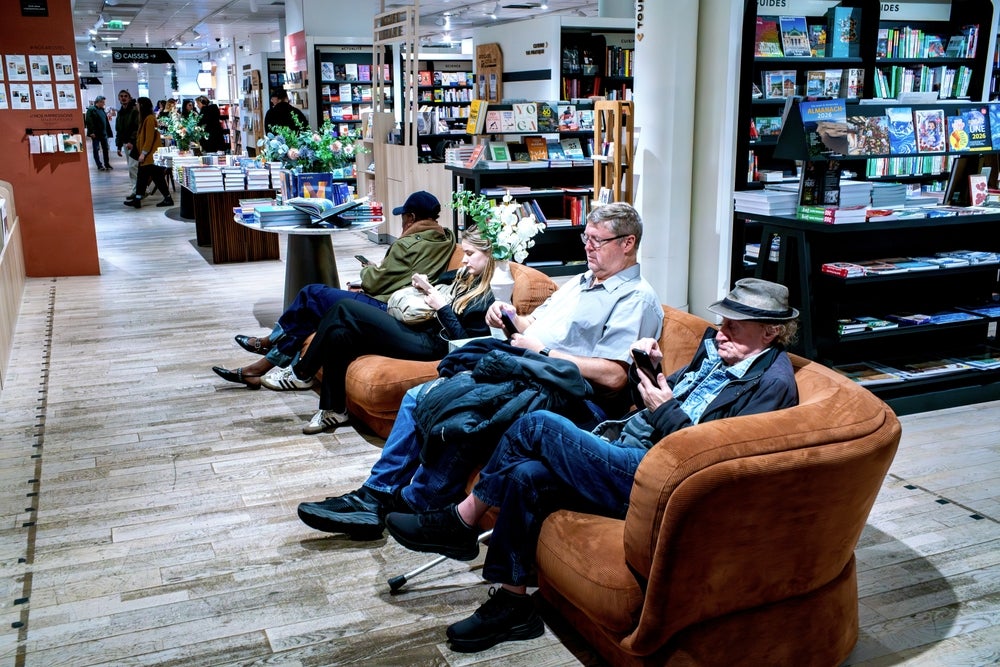
One idea shaping this change is the "third place". The term describes a place where people spend time outside their home, which is considered the first place, and their workplace, the second place. Examples include cafés, libraries and community centres.
These are spaces where people can relax, meet others and feel welcome. Retailers are now applying the same idea to stores, creating environments that encourage customers to stay longer rather than simply make a purchase and leave.
Stores are becoming places to spend time
For many years, stores were designed mainly to display products and complete sales. Today, many retailers want customers to enjoy the visit itself.
Flagship stores increasingly include cafés, comfortable seating, event spaces and private consultation areas. Beauty retailers offer skincare appointments, fashion brands provide personal styling sessions, and technology stores invite customers to test products before buying.
These features make shopping more enjoyable while giving customers the confidence to make informed decisions.
This approach also responds to growing digital fatigue. After spending so much time on websites, apps and social media, many people appreciate face-to-face conversations and the chance to experience products with their own senses.
Experience is becoming a competitive advantage
Online shopping offers speed and convenience, but it cannot fully replace personal interaction. A knowledgeable employee can answer questions, recommend products and solve problems in ways that are difficult to match online.
This is why experiential retail has become an important strategy. Rather than competing only on price, retailers compete by offering memorable experiences. Customers who enjoy spending time in a store are more likely to return, recommend the brand to others and build long-term loyalty.
Physical stores also support the wider customer journey. A shopper may research products online, visit a store for advice, then complete the purchase later through a website or mobile app.
Others may collect online orders in store and make extra purchases during their visit. The store has become an important part of an integrated retail experience.
The future of the physical store
Creating a successful third place requires more than attractive furniture or a café. Every feature should help customers feel comfortable, supported and valued. The experience must reflect the brand while meeting genuine customer needs.
Staff training is equally important. Friendly, knowledgeable employees help turn a pleasant store into a memorable one. Retailers should also measure success by looking beyond sales alone.
Customer satisfaction, repeat visits, loyalty programme activity and time spent in store can all provide valuable insight into the effectiveness of the experience.
As retail continues to evolve, physical stores are taking on a broader role. They are becoming places where people can shop, learn, seek advice and spend time with others.
By creating welcoming environments that combine convenience with genuine human connection, retailers can ensure that their stores remain relevant in an increasingly digital world.