

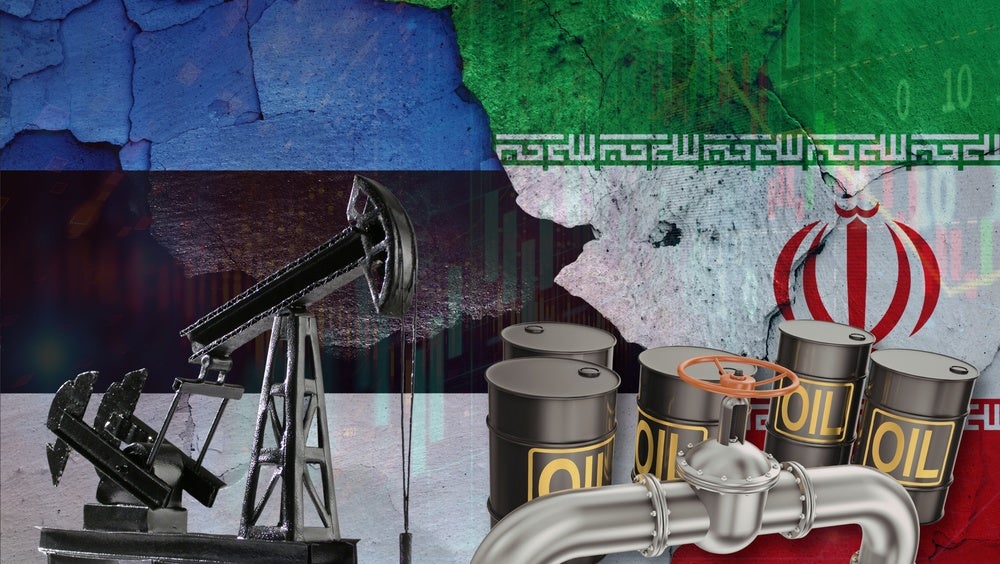
Rising geopolitical tensions in the Middle East are increasing risks for European prices and supply chains, according to a recent industry warning.
Retail and wholesale organisations say the longer the conflict continues, the greater the potential impact on energy markets, food production and global logistics, with consequences for businesses and consumers across Europe.
The escalation involving Iran has already added uncertainty to global markets. Key trade routes and commodity markets linked to the region are under pressure, creating the risk of higher costs across European supply chains.
Industry groups warn that the effects could resemble earlier inflation shocks if disruptions persist.
Energy markets and global trade routes
Energy markets have reacted quickly to instability in the region. The Strait of Hormuz, one of the world’s most important shipping corridors, carries roughly a quarter of global oil trade. Any disruption to traffic through the strait can quickly affect global fuel prices and logistics costs.
The Middle East conflict has already contributed to rising oil prices and uncertainty in energy markets, which can feed directly into transport, manufacturing and retail costs.
Analysts warn that prolonged disruption to Gulf shipping lanes could restrict fuel supplies and drive up prices for businesses across Europe.
Higher energy costs also affect freight and logistics. Shipping companies have begun adjusting routes and applying additional charges linked to fuel costs and security risks, which increases the cost of moving goods across global supply chains.
These pressures can eventually reach retailers through higher distribution costs and tighter margins.
Supply chain disruptions and logistics costs
The Middle East plays a central role in international trade between Europe and Asia. When conflict affects airspace or maritime routes, global logistics networks must adjust quickly.
Recent disruptions have forced shipping companies to divert vessels or avoid certain routes entirely. These changes increase transport times and freight costs, putting additional pressure on already complex supply chains.
Shipping and aviation disruptions in the region have also contributed to rising freight rates and reduced cargo capacity on key routes.
For European businesses, the impact is not limited to transport. Supply chains for industrial materials, chemicals and energy products can also be affected.
When delivery times increase or cargo capacity falls, wholesalers and retailers may face delays in sourcing goods and higher procurement costs.
Fertiliser and food price pressures
Another area of concern is the fertiliser market, where the Middle East is a major producer and exporter. Fertilisers are essential inputs for agriculture, meaning disruptions to supply can quickly influence global food production costs.
If fertiliser prices rise, farmers face higher operating costs. Over time, these increases can be passed through the food supply chain and lead to higher prices for agricultural products.
Retailers warn that this could add to inflationary pressures in Europe’s food sector.
Food supply chains remain sensitive to changes in energy and fertiliser markets, as both affect farming, transport and food processing. Prolonged geopolitical instability could therefore reinforce existing price pressures in European grocery markets.
Growing uncertainty for European businesses
European retailers and wholesalers have diversified sourcing strategies in recent years and developed alternative shipping routes to improve resilience. However, industry groups say global trade remains vulnerable to disruptions in major transport corridors and commodity markets.
If the Middle East conflict continues, businesses may face a combination of higher energy costs, more expensive logistics and tighter agricultural supplies. These factors could place sustained pressure on European supply chains and consumer prices, particularly in sectors linked to energy, transport and food production.
For companies operating across global trade networks, the situation highlights the ongoing importance of supply chain resilience and secure international shipping routes.
As geopolitical tensions persist, businesses across Europe are closely monitoring developments that could affect prices, sourcing and market stability.