
UK retail footfall fell 1.7% year on year in August, with high streets recording a 3.1% decline, as the British Retail Consortium (BRC) called for lower business costs ahead of the 28 October Budget.
The retail industry body is also urging Chancellor John Healey to raise the employer National Insurance contributions (NICs) threshold from £5,000 to £6,000, arguing that this would support job creation, particularly for entry-level roles.
High street footfall remains weak
BRC-Sensormatic data covering 2–29 August showed that total UK retail footfall fell 1.7% year on year, an improvement on the 2.1% decline recorded in July.
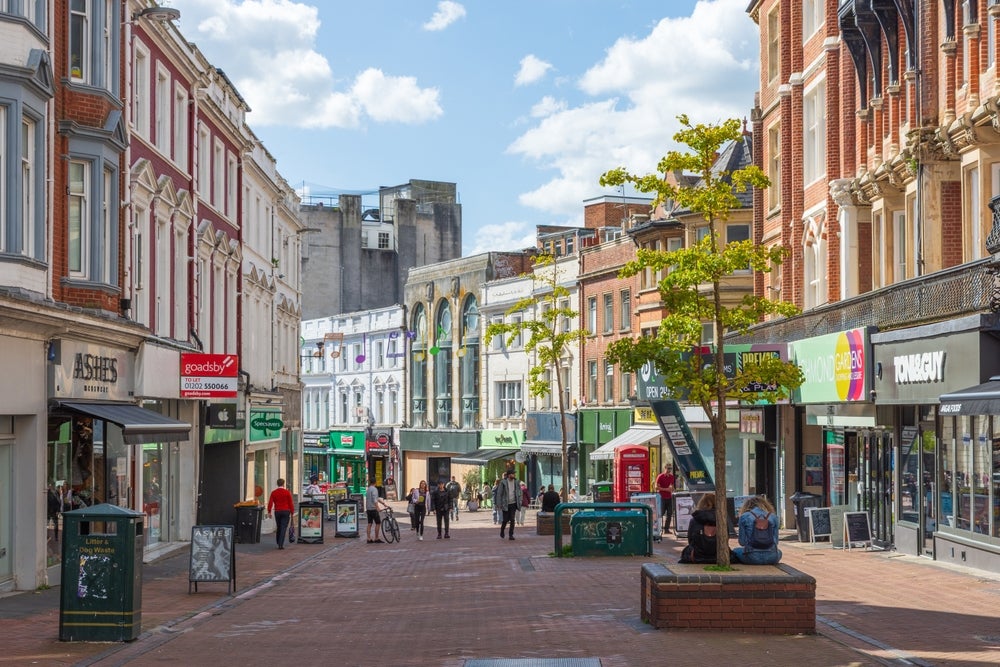
High streets remained the weakest-performing retail destination. Footfall fell 3.1%, compared with a 3.8% decline in July.
Shopping centre footfall fell 0.5%, improving from a 1.4% decline the previous month. Retail parks were the only major destination type to record growth, with footfall rising 1.0% year on year, although this was slightly below July's 1.2% increase.
The regional picture was mixed. Footfall fell 2.1% in England, 1.3% in Wales and 0.1% in Scotland, while Northern Ireland recorded a 2.8% increase.
BRC chief executive Helen Dickinson said cooler temperatures helped bring shoppers back after July's heatwave, including for essential and back-to-school purchases.
“Retail parks were the standout performers,” Dickinson said, while warning that “the overall picture shows high streets face an uphill battle”.
Sensormatic head of consulting and analytics for EMEA Andy Sumpter said August represented a “modest improvement” for UK retail footfall, although visits remained below the previous year's level.
He said the figures suggested that the pace of decline “may be beginning to ease”, but added that retailers still faced pressure from rising inflation and weaker disposable incomes.
Retailers face rising costs
The latest footfall figures come as retailers contend with higher operating costs and rising shop-price inflation.
BRC-NIQ data showed shop-price inflation rising to 1.5% year on year in August, up from 0.9% in July and its highest level in more than two years. Non-food inflation rose to 0.9%, while food inflation increased to 2.8%.
The BRC said higher energy, input and commodity costs were beginning to feed through into retail prices, adding pressure on both retailers and consumers.
The combination of weaker footfall and higher costs has put renewed focus on the government's approach to retail taxation and employment costs ahead of the Autumn Budget.
BRC seeks higher NICs threshold
The BRC has written to Healey calling for the employer NICs secondary threshold to be raised from £5,000 to £6,000.
The threshold was reduced from £9,100 to £5,000 in April 2025, while the main employer NICs rate increased from 13.8% to 15%.
The BRC estimates that the threshold reduction alone cost retailers £1.74bn. It says the higher NICs rate, combined with two above-inflation increases in the National Living Wage, has increased retail employment costs by £6.5bn over two years.
The impact has been particularly significant for retail because of the industry's reliance on part-time and flexible work. According to the BRC, 55% of retail jobs are part-time.
The organisation estimates that the cost of employing a full-time entry-level worker increased by 15% over the past two years, compared with a 19% increase for part-time roles.
It also says the number of retail jobs has fallen by 115,000 over the same period.
Dickinson said rising employment costs were making it harder for retailers to offer entry-level positions.
“Raising the NICs threshold to £6,000 would boost retail job creation,” she said, arguing that it would also ease inflationary pressure on retailers and consumers.
The BRC said almost one in four people get their first job in retail, making the sector an important entry point for young people and workers with limited experience or qualifications.
Business rates and energy costs
The NICs proposal forms part of a wider BRC campaign for lower retail operating costs.
The organisation is also calling for action on taxes and levies applied to retailers' energy bills, an end to the annual inflation-linked increase in business rates and the removal of shops from the high-value business rates multiplier introduced in the 2025 Budget.
Dickinson has argued that lower business rates and energy costs would help retailers keep prices down, invest in their businesses and sustain employment.
The government has confirmed that the 2026 Budget will take place on 28 October.
For retailers, the Budget comes as the sector enters its crucial autumn and Christmas trading period. Footfall has improved from the sharp declines recorded earlier in the summer, but remains below last year's levels, while shop-price inflation has accelerated.
The coming weeks will therefore put further focus on whether stronger seasonal spending can offset continued pressure from higher retail costs.