
The US Senate has passed an anti-counterfeiting bill aimed at helping retailers and brands identify fake products before they enter the American market.
The Customs Notification Act (H.R. 4930) was approved by the Senate without opposition on 10 November 2026, following its passage through the House of Representatives on 27 April.
The legislation has now cleared both chambers of the US Congress but has not yet become law. It awaits approval from President Donald Trump, whose signature would bring the new measures into effect.
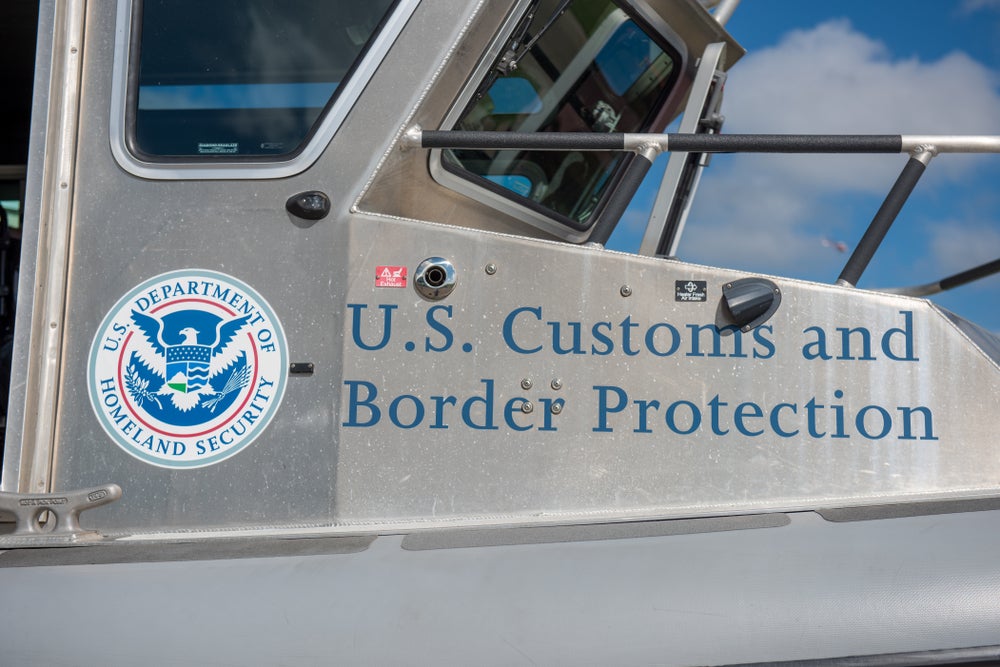
The bill would expand the powers of US Customs and Border Protection (CBP), the federal agency responsible for customs enforcement, to share information about shipments suspected of infringing trademarks and copyrights.
The changes are intended to help retailers, brand owners, online marketplaces and logistics companies work more closely with customs officials to prevent counterfeit products reaching consumers.
The American Apparel & Footwear Association (AAFA), which represents clothing and footwear businesses, welcomed the Senate's decision and called for the legislation to be signed into law.
How the bill would help retailers
The Customs Notification Act aims to make it easier for retailers and brands to obtain information about shipments suspected of containing counterfeit goods.
Under existing rules, CBP can share certain product details with trademark and copyright owners to help establish whether imported merchandise infringes intellectual property rights.
However, restrictions on the information available can make it harder for businesses to verify the authenticity of suspicious shipments.
The proposed legislation would allow customs officials to share additional details and images of shipping containers and packing materials, alongside information about products, packaging and labels.
CBP would also be permitted to disclose certain non-public information obtained from businesses involved in the sale or importation of goods, including online marketplaces, express delivery operators and freight forwarders.
For retailers and brands, access to these details could help identify counterfeit merchandise before it reaches shops, warehouses or online customers.
The bill would also expand the range of organisations eligible to receive information from CBP.
Beyond trademark and copyright owners, customs officials could share relevant details with other parties that the CBP Commissioner considers to have an appropriate interest in the goods.
Another provision would introduce a clearer legal threshold for sharing information, replacing the existing reference to suspected violations with a requirement for "reasonable suspicion" of trademark or copyright infringement.
Together, the measures are intended to improve cooperation between customs authorities and businesses investigating counterfeit imports.
Fashion industry welcomes anti-counterfeiting measures
AAFA welcomed the Senate's approval, saying the proposed changes would help clothing and footwear brands identify counterfeit goods before they reach US consumers.
AAFA president and CEO Steve Lamar described the bill's progress as a "bipartisan victory for consumer protection".
He said its passage sent an important message during the busy Christmas shopping period that "counterfeits will not be tolerated nor allowed to enter the U.S."
The association urged President Trump to sign the legislation, arguing that stronger customs enforcement would help protect consumers and national security from dangerous and misleading products.
AAFA also acknowledged the contributions of Republican Senators Chuck Grassley and Democratic Senator Maggie Hassan, alongside Democratic Representative Brad Schneider and Republican Representative Blake Moore.
Moore introduced H.R. 4930 in August 2025, with Schneider among its original co-sponsors. Grassley and Hassan introduced a related Senate measure, S. 2677.
AAFA has repeatedly called for stronger intellectual property enforcement, highlighting the impact of counterfeit goods on legitimate businesses, consumers, workers and the environment.
Counterfeit imports pose risks to retailers
The legislation comes amid continuing concerns about the volume of counterfeit and pirated merchandise entering the US retail market.
According to CBP figures, the agency recorded 25,079 seizures involving intellectual property rights violations during the 2025 US financial year, compared with 20,516 in 2024.
The estimated retail value of the seized goods, had they been genuine, increased from approximately $5.5bn in 2024 to $7.35bn in 2025.
These figures are based on the estimated manufacturer's suggested retail price of authentic equivalents, rather than the actual selling price of counterfeit merchandise.
Counterfeit products can affect retailers by diverting sales from legitimate businesses, damaging brand reputations and undermining consumer confidence.
They can also create safety risks where products fail to meet applicable quality or manufacturing standards.
The issue extends beyond fashion to retail categories including electronics, cosmetics, toys and other consumer products.
For retailers operating across international markets, detecting counterfeit merchandise before it enters distribution networks can help protect customers and reduce the risk of fake products reaching store shelves or online sales channels.
CBP already works with businesses and other government agencies to identify suspected intellectual property violations and stop infringing goods entering the US.
The proposed legislation would strengthen that cooperation by allowing customs officials to share a wider range of information with eligible businesses.
Implications for online marketplaces and supply chains
The Customs Notification Act could also affect e-commerce platforms, logistics providers and international retailers supplying the US market.
Online marketplaces and freight companies often hold information about sellers, shipments and the movement of goods through supply chains.
Under the proposed changes, CBP could share certain information obtained from these businesses with eligible parties to support investigations into suspected counterfeit imports.
Retailers and brand owners could use the additional shipment details to help verify products, identify possible infringements and assist customs officials in tracing suspicious merchandise.
However, the legislation would not provide unrestricted access to customs records.
CBP would retain responsibility for deciding which additional organisations have an appropriate interest in the goods and what information can be disclosed.
Existing safeguards would also remain in place to prevent disclosures that could compromise ongoing law enforcement investigations or national security.
The measures would apply to merchandise suspected of infringing trademarks or copyrights recorded with CBP for customs enforcement purposes.
What happens next?
The Customs Notification Act has completed its passage through Congress after receiving approval from the House of Representatives in April and the Senate on 10 November.
Because the Senate passed the House-approved bill without amendments, no further agreement between the two chambers is required.
The legislation now awaits presidential action. It is not yet in force, and the expanded information-sharing powers would take effect only if the bill becomes law.
If President Trump signs it, the changes would take effect immediately upon enactment.
For international retailers and brands selling into the US, the legislation could provide a stronger framework for working with customs authorities to identify counterfeit products before they reach consumers.
Its practical impact would depend on how CBP implements the expanded powers and how retailers, online marketplaces and supply chain partners use the information to support anti-counterfeiting investigations.